
How To Prepare Your Fence For Hurricane Season In Florida
Hurricane season in Florida runs from June 1 through November 30, and Central Florida homeowners need to take fence preparation seriously. High winds, heavy rain, and flying debris can turn a weak fence into a costly repair project. Preparing your fence for hurricane season starts with a thorough inspection and ends with proactive reinforcement. A well-maintained fence protects your property, your pets, and your peace of mind during severe weather. At Fence Pros in Winter Garden, we have helped countless homeowners across Orange, Lake, Osceola, and Seminole counties get their fences storm-ready. This guide walks you through every step of hurricane fence preparation so you can face the season with confidence.
How To Inspect Your Fence Before Hurricane Season In Florida
A proper fence inspection is the foundation of hurricane season preparation. Walking your fence line in May or early June gives you enough time to address any issues before the first major storm hits. You want to look at posts, panels, fasteners, and gates with a critical eye. Florida soil conditions, humidity, and previous storm damage all affect fence integrity. Catching problems early saves you money and prevents emergency repairs during peak hurricane season. Need a professional eye on your fence? Click here for our fence repair service.
Checking Fence Posts Before Hurricane Season In Florida
Fence posts are the backbone of your entire fence system, and they take the hardest hit during a hurricane. Start by physically pushing on each post to check for movement at the ground line. Wooden posts in Florida soil are prone to rot, especially at the base where moisture collects against the wood. Look for soft spots, discoloration, or fungal growth near the soil. Metal posts can rust at the base, weakening the structural support that holds your fence upright. Concrete footings should be solid with no visible cracks or signs of shifting. A post that wobbles before a storm will almost certainly fail during one.
Pay close attention to corner posts and gate posts, since these bear the most stress. Sandy Florida soil drains quickly, but it also allows posts to loosen over time as the ground shifts. If you notice any post leaning more than a few degrees, that is a clear warning sign. Repeated tropical storms and heavy rain events can erode the soil around footings. You should also check for termite activity, which is common in Central Florida and devastating to wooden posts. Termite damage often hides beneath the surface, so tap each post and listen for hollow sounds. Replacing one compromised post now is far cheaper than rebuilding entire sections after a hurricane.
Document any issues you find with photos and notes. This record helps a fencing contractor give you an accurate estimate quickly. If multiple posts show damage, a full section replacement may be more cost effective than spot repairs. Vinyl and aluminum fence posts also need inspection, since their internal reinforcement can corrode over time. Check that all post caps are secure, as loose caps allow water intrusion that accelerates damage. Posts set in concrete should sit at least 24 inches deep for residential fences and deeper for taller installations. Proper post depth is one of the most important factors in hurricane resistance.
Inspecting Fence Panels Before Hurricane Season In Florida
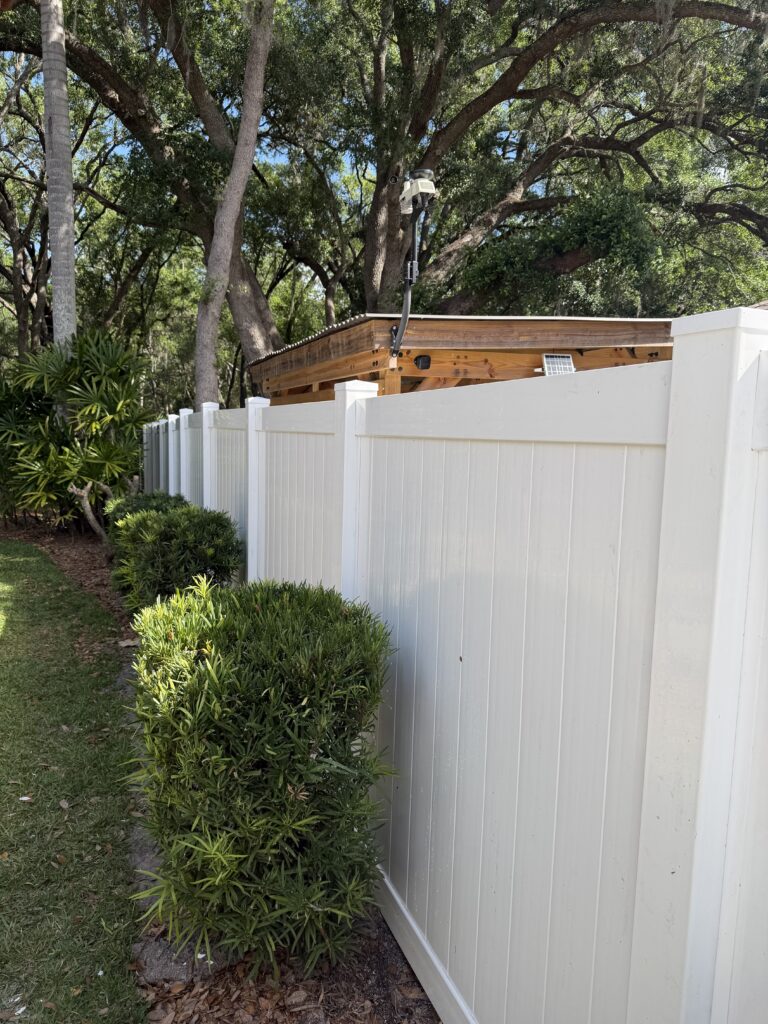
Fence panels catch wind like sails, which makes their condition critical before hurricane season in Florida. Walk along both sides of your fence and look at each panel individually. Wooden fence boards can warp, split, or develop knots that weaken the panel. Pickets that have pulled away from the rails create weak points where high winds can rip panels apart. Vinyl fence panels should show no cracks, especially at the points where they connect to posts. Aluminum and chain link panels need to be checked for bent sections, missing fasteners, or rust spots.
Florida sun and humidity are tough on every type of fence material. UV exposure can make vinyl brittle over time, particularly on the south-facing side of your property. Wood fences may show signs of moisture damage, including swelling, soft spots, or peeling paint and stain. Chain link fences can develop loose tension wire or torn fabric, which becomes a major weakness in high winds. Pay attention to where panels meet the ground, since standing water and lawn equipment damage often start there. A panel that looks fine from a distance may have serious issues up close. Get hands on each section to catch hidden problems.
Loose fasteners are one of the most overlooked issues during fence inspections. Nails work themselves out of wooden fences over years of expansion and contraction. Screws can strip or corrode, leaving panels barely attached to their rails. Check every visible fastener and replace any that look compromised. Galvanized or stainless steel fasteners hold up best in the Florida climate. If you are seeing widespread fastener failure, the panel itself may need replacement rather than just refastening. A solid panel attached with weak fasteners will still fail in hurricane winds.
Testing Fence Gates Before Hurricane Season In Florida
Gates are the most vulnerable part of any fence during hurricane season in Florida. They have moving parts, multiple stress points, and they catch wind from both sides. Start by opening and closing each gate to test its swing. A gate that drags, sticks, or fails to latch properly needs immediate attention. Sagging gates put enormous stress on hinges and posts, which can fail catastrophically during a storm. Look at the hinges for rust, loose screws, or visible wear. Check that the latch mechanism engages fully and holds firm when locked.
The gate post is often the weakest point of your entire fence system. Because gates swing on these posts, they experience repeated stress that loosens the post over time. Push and pull on the gate post to feel for any movement. If you detect wobble, the post needs to be reset or replaced before hurricane season. Drop rods and cane bolts on double gates should slide smoothly into ground sleeves. Many homeowners forget about these components until they fail. A properly functioning drop rod can be the difference between a gate that holds and one that flies open in a storm.
Consider adding a secondary latch or chain to your gates for extra hurricane security. Standard gate latches are designed for daily use, not 100 mile per hour winds. A simple padlock or carabiner clipped through the latch adds significant strength. For driveway gates, make sure both halves can be secured to the ground when closed. Some homeowners install temporary ground anchors specifically for hurricane preparation. If your gate hardware looks worn or undersized, upgrade it now. Heavy duty hinges and latches rated for storm conditions provide much better protection than standard residential hardware.
How To Reinforce Your Fence For Hurricane Season In Florida
Once your inspection is complete, the next step is reinforcing weak areas before storms arrive. Reinforcement work in May and June protects your investment for the entire hurricane season. The right reinforcement strategy depends on your fence material, age, and exposure to wind. Some properties need minor adjustments while others require significant upgrades. Hurricane preparation is not the time to cut corners or use cheap materials. Investing in proper reinforcement now prevents thousands of dollars in storm damage later. If you need expert help reinforcing your fence, click here for our fence replacement service.
Reinforcing Fence Posts For Hurricane Season In Florida
Post reinforcement is the single most effective hurricane preparation step you can take. A fence is only as strong as the posts that hold it up. For wooden posts showing early signs of rot, consider applying a wood preservative to slow further damage. Posts that are loose in the ground need to be reset with fresh concrete, which means digging out the old footing and pouring a new one. The hole should be at least three times the width of the post and 24 to 36 inches deep. Use a fast setting concrete mix rated for fence posts to get solid results within hours.
For added strength in hurricane prone areas like Central Florida, consider upgrading to longer or thicker posts. A standard 4×4 wooden post can be replaced with a 6×6 for significantly more wind resistance. Metal post stiffeners can be inserted into vinyl posts to add structural support without replacing the entire post. Steel reinforcement rods driven alongside existing posts and tied together create a much stronger system. These upgrades are common in coastal Florida communities and increasingly popular inland as storms grow more intense. Spending money on post upgrades now protects every panel and rail attached to those posts.
Drainage around fence posts matters more than most homeowners realize. Water pooling at the base of a post accelerates rot and weakens the surrounding soil. Make sure landscaping does not direct runoff toward fence lines. Adding a small gravel layer at the base of the post hole improves drainage during heavy rain. If your property has low spots along the fence line, consider regrading or adding French drains. Posts that stay dry last decades longer than posts that sit in saturated soil. This simple step extends the life of your entire fence and improves hurricane performance.
Securing Fence Panels For Hurricane Season In Florida
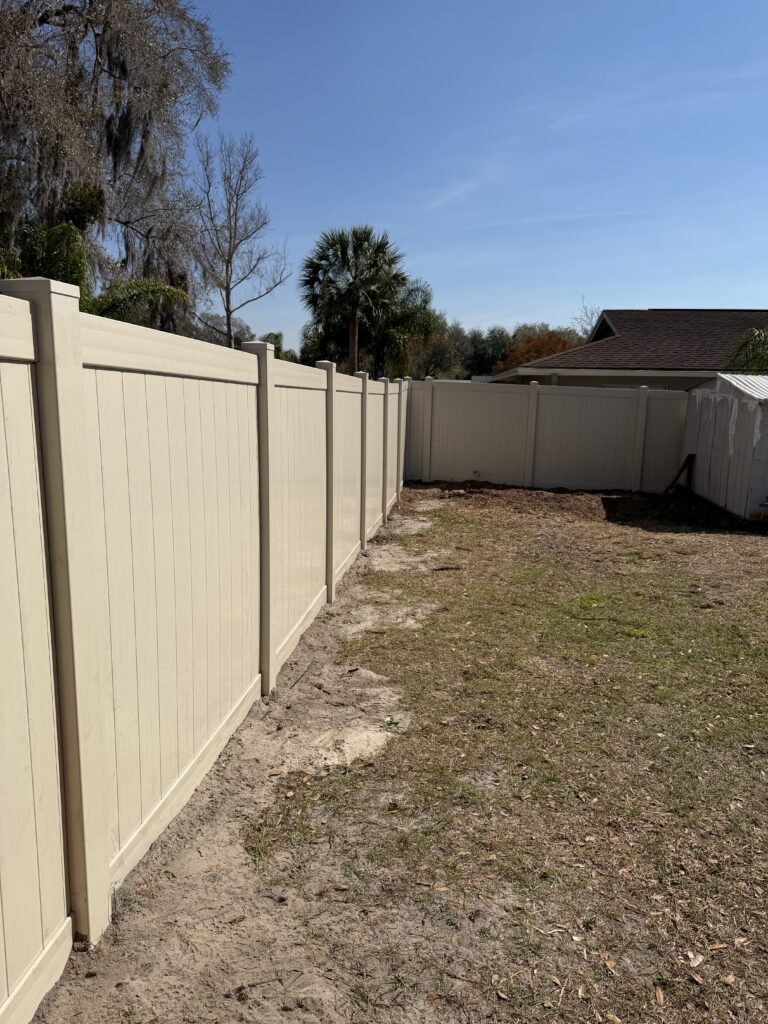
Panel reinforcement focuses on the connection points between panels, rails, and posts. Most fence failures during hurricanes happen when panels detach from their supporting structure. Replace any nails with screws to create much stronger connections. Use exterior grade screws long enough to penetrate at least one inch into the rail. Two screws per board connection point is the minimum for hurricane resistance. For wooden fences, hurricane clips or metal brackets at panel corners add tremendous strength without changing the appearance.
Some homeowners install removable panels in strategic locations along their fence. These shadow box or kickout panels are designed to release under extreme wind pressure, allowing the storm to pass through while saving the rest of the fence. This technique is common in South Florida and works well for very long fence runs. The released panels can be reinstalled after the storm passes. For chain link fences, tightening tension wire and adding extra tie wires along the top and bottom rails prevents fabric from tearing loose. Make sure all panel hardware is rated for outdoor use in coastal climates.
Vinyl and aluminum fences benefit from internal bracing during hurricane season in Florida. Aluminum panels can have steel inserts added to vertical members for extra rigidity. Vinyl panels often have hollow sections that can be filled with treated lumber or steel for hurricane strength. These reinforcements stay hidden inside the fence and do not affect curb appeal. Talk to a professional fencing contractor about the right reinforcement options for your specific fence type. Custom solutions often cost less than full replacement and provide excellent hurricane protection. The goal is to make every panel as strong as possible without compromising the fence design.
Strengthening Fence Gates For Hurricane Season In Florida
Gate reinforcement starts with addressing any sag or misalignment. A gate that does not close properly will not survive a hurricane. Replace worn hinges with heavy duty hardware rated for the weight of your gate. Three hinges per gate provides much better stress distribution than two. Add a diagonal brace running from the bottom hinge corner to the opposite top corner to prevent sagging. This simple addition transforms a weak gate into a much stronger one. Wood gates benefit especially from anti sag kits with adjustable cables and turnbuckles.
Ground anchors provide critical reinforcement for driveway gates and tall walk gates. A drop rod that slides into a ground sleeve filled with concrete holds the gate firmly during high winds. For temporary hurricane preparation, you can install eye bolts in the gate post and use chains or straps to secure gates closed. Double driveway gates should have drop rods on both halves to prevent the gates from flapping open. Cane bolts at the top of each gate panel add another layer of security. Every additional anchor point reduces the chance of gate failure.
Consider removing gates entirely if a major hurricane is forecast. This extreme measure protects the gates themselves and reduces stress on the surrounding fence. Store removed gates in a garage or shed where wind cannot reach them. Mark each gate and its hardware clearly so reinstallation goes smoothly after the storm. If removal is not practical, secure the gate to a permanent structure with ratchet straps. Some homeowners install hurricane specific gate hardware that allows for quick storm preparation. The investment in proper gate hardware pays off every time a storm threatens Central Florida.
Why You Need Professional Help To Prepare Your Fence For Hurricane Season In Florida
Hurricane fence preparation requires expertise that goes beyond basic DIY skills. Professional fencing contractors understand Florida building codes, wind load requirements, and the specific challenges of Central Florida soil and weather. Hiring experts saves you time, prevents costly mistakes, and gives you confidence that your fence is ready for the worst. At Fence Pros, we have spent years preparing fences across Orange, Lake, Osceola, and Seminole counties for hurricane season. We know what works and what fails. Let us help you protect your property this storm season.
Why DIY Hurricane Fence Preparation Has Limits In Florida
Many homeowners start with good intentions on DIY fence projects, then run into problems they did not expect. Resetting fence posts in Florida soil requires specific knowledge about concrete mixes, post depth, and soil conditions. Without that experience, your hurricane preparation may not hold up when a storm actually arrives. Tools and materials add up quickly, often costing more than hiring a professional. Improper repairs can also void manufacturer warranties on vinyl and aluminum fences.
Time is another major factor when preparing fences for hurricane season in Florida. A homeowner may spend an entire weekend addressing issues a professional crew handles in a few hours. Hurricane season does not wait for your schedule, and last minute preparation often means working in extreme heat or sudden storms. Professional crews have the equipment, experience, and manpower to complete preparation quickly. They also know how to identify problems you might miss during a casual inspection. Hidden issues like termite damage or hairline cracks in concrete footings can mean disaster during a storm.
Safety matters too when working on hurricane fence preparation. Digging post holes, lifting heavy materials, and working with power tools all carry real risks. Florida summers add heat exhaustion and lightning to the list of hazards. Professional fencing contractors carry insurance that protects you if something goes wrong. They also follow safety protocols that reduce the chance of injury. Trying to save money on DIY work is not worth a trip to the emergency room. Trust trained professionals to handle the demanding parts of fence preparation.
Why Timing Matters For Hurricane Fence Preparation In Florida
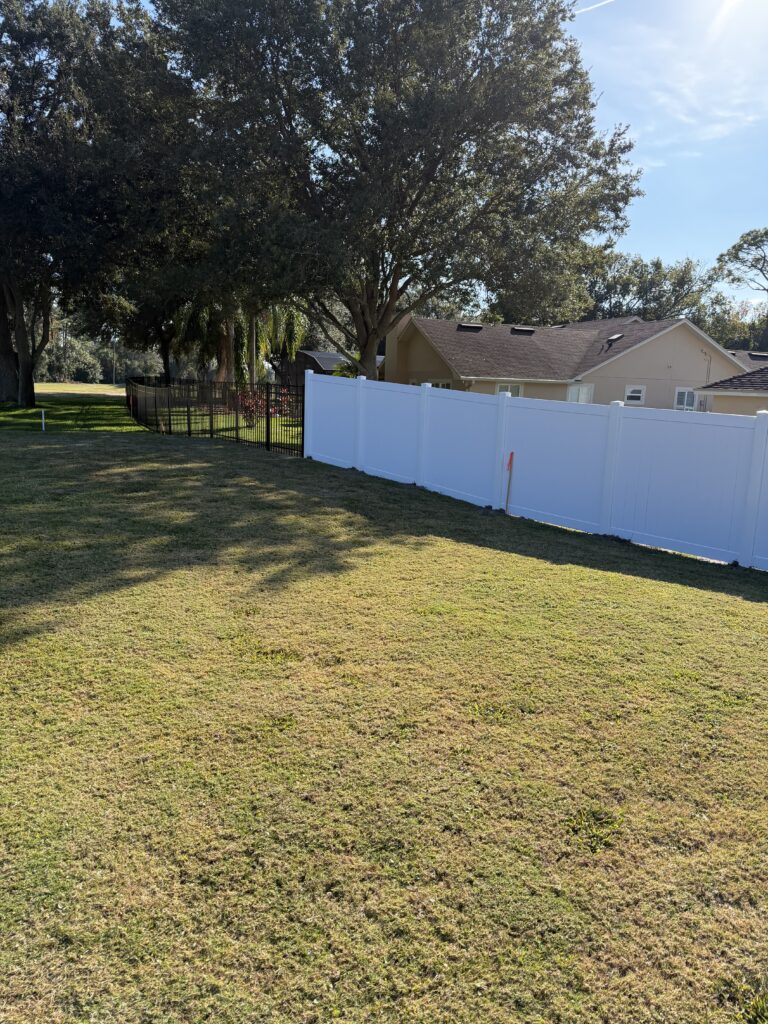
Florida hurricane season officially begins June 1, but the busiest fence preparation window starts in April and May. Contractors book up fast as the season approaches, and waiting until July or August often means long delays. Major storms in recent years have shown how quickly conditions can deteriorate. A tropical depression can become a major hurricane within 48 hours, leaving no time for preparation. Scheduling fence inspection and reinforcement work early gives you the best chance of being ready.
After a hurricane hits Central Florida, demand for fencing contractors explodes. Wait times for repairs can stretch into months, and material costs often spike due to shortages. Insurance claims pile up at the same time, creating delays in payouts and approvals. Homeowners who prepared in advance face fewer of these headaches. Their fences either survive the storm or sustain only minor damage that can be repaired quickly. Preparation is the smartest financial decision you can make as a Florida homeowner.
Mid season check ins are also valuable during long hurricane seasons. A fence that was solid in May may have developed issues by August due to summer thunderstorms and heat. Periodic inspections throughout the season catch new problems before they become major failures. Professional contractors can perform quick check ins much faster than full inspections. This proactive approach is part of why Fence Pros has earned a reputation for reliability across Central Florida. We help homeowners stay ahead of problems all season long.
Why Choose Fence Pros For Hurricane Fence Preparation In Florida
Fence Pros is a family owned fencing company based in Winter Garden, Florida, owned and operated by Brad Jackson. We serve Altamonte Springs, Apopka, Casselberry, Clermont, Davenport, Dr. Phillips, Forest City, Four Corners, Horizon West, Kissimmee, Mascotte, Minneola, Oakland, Ocoee, Pine Hills, Windermere, and Winter Garden. Our team brings decades of combined experience to every fence project. We use high quality materials built to withstand Florida weather, including hurricane force winds and heavy rain. Free estimates are available on all fence projects, with no obligation or pressure.
Our commitment to clean work, strong builds, and long term results shows in every fence we touch. We offer residential and commercial fencing services including fence installation, fence repair, and fence replacement. Customers in Central Florida choose us because we deliver consistent five star service from start to finish. We treat every property like our own and stand behind our work. Our crews arrive on time, clean up thoroughly, and communicate clearly throughout the project. That is the Fence Pros difference.
Hurricane season is no time to take chances with your property. Get your fence ready now with help from the team that Central Florida homeowners trust. We serve Winter Garden and surrounding areas within one hour, often the same day for urgent requests. Call Fence Pros today at (407) 580-8353 to schedule your free hurricane preparation estimate. Click here to learn more about our fence installation service and see how we can help protect your property this storm season.