
How To Keep Your Fence From Warping In Florida Sun
Florida sun puts heavy stress on every fence it touches. Wood boards swell, dry out, and pull against their fasteners as the temperature climbs through the long summer months. Over time that movement shows up as cupping, twisting, and the kind of warping that turns a straight fence line wavy and tired looking. Homeowners in Winter Garden and across the Orlando area see this problem most between late spring and early fall. The good news is that warping is largely preventable with the right materials, the right finish, and proper installation. A fence that is built and maintained for Florida weather can stay straight and strong for many years. This guide explains why the sun causes fences to warp and what you can do to stop it. It also covers when a warped fence needs a simple repair and when full replacement is the smarter long term move.
Why Florida Sun Causes Fence Warping
Warping happens when one part of a fence board changes shape faster than the rest. The Florida sun heats the exposed side of each board while the shaded side stays cooler and holds more moisture inside the wood. That uneven balance forces the wood to bend, twist, or cup as it dries. Heat alone does not cause every warp; the moisture swings from summer rain and heavy humidity play just as large a role. Vinyl and composite fences react to heat too, though they expand and sag in different ways than wood does. Understanding the true cause is the first step toward keeping your fence straight. The sections below break down the main reasons the Florida sun leads to fence warping and what each one does to your boards.
How Florida Heat Leads To Fence Warping
Heat is the most direct way the Florida sun leads to fence warping. Wood is a natural material that holds moisture inside its fibers, and that moisture moves as the temperature rises and falls. When the sun beats down on one face of a board, the surface dries quickly while the inside stays damp. The dry side shrinks, the damp side does not, and the board curls toward the drier surface. This is why so many fence boards cup or bow on the side that faces direct afternoon sun. In Central Florida, summer surface temperatures on a dark fence can climb well past one hundred degrees. That kind of heat speeds up surface drying and makes warping far more likely. Boards that sat perfectly flat at installation can show visible movement within a single hot season.
The angle of the sun matters as much as the raw heat itself. Fence sections that face south and west take the longest and most intense exposure each day. Those runs almost always warp before shaded sections show any trouble. Posts can lean and rails can sag when the heat dries the wood unevenly along a long stretch of fence. Metal fasteners also expand and contract with the heat, which slowly loosens their grip on the wood. As nails and screws work loose, boards gain room to twist and pull away from the rails. The result is a fence that looks crooked even when the posts themselves may still be solid in the ground.
Color and finish change how much heat a fence absorbs through the day. Dark stains and bare wood soak up more sunlight and reach higher surface temperatures than lighter finishes do. A fence stained in a lighter tone reflects more of the sun and runs noticeably cooler. Cooler boards dry more slowly and more evenly, which cuts down on cupping and twisting. This is one reason material and finish choices matter so much in our climate. A well chosen finish can add years to the straight life of a wood fence. If your current fence is already showing heat damage, our team can assess the boards and recommend the right fix. Seeing twisted or bowed boards already? Click here for our fence repair service: https://fenceprosorlando.com/services/fence-repair/
The Wood Fence Materials Most Prone To Warping In Florida Sun
Not every fence material reacts to the Florida sun the same way. Pressure treated pine is the most common wood fence material in the state because it is affordable and easy to find. It also holds a large amount of moisture when it leaves the lumber yard. As that moisture dries out under the sun, pine is one of the woods most likely to twist and cup. Boards installed while still wet from treatment are especially prone to warping as they dry in place. This is exactly why proper drying and board spacing matter so much with pine fences. A fence builder who understands Florida conditions will plan for this movement before the boards ever go up.
Cedar is a clear step up from pine when it comes to resisting warping. The wood contains natural oils that help it shed moisture and stay stable in the heat. Cedar still moves with the seasons, but it tends to hold its shape better than untreated or freshly treated pine. The trade off is cost, since cedar runs higher than standard pressure treated pine. Many Florida homeowners find the added stability well worth the price over the life of the fence. Cedar also resists rot and insects, which is a real benefit in a humid climate. A properly sealed cedar fence can stay straight and attractive for many years across the Orlando area.
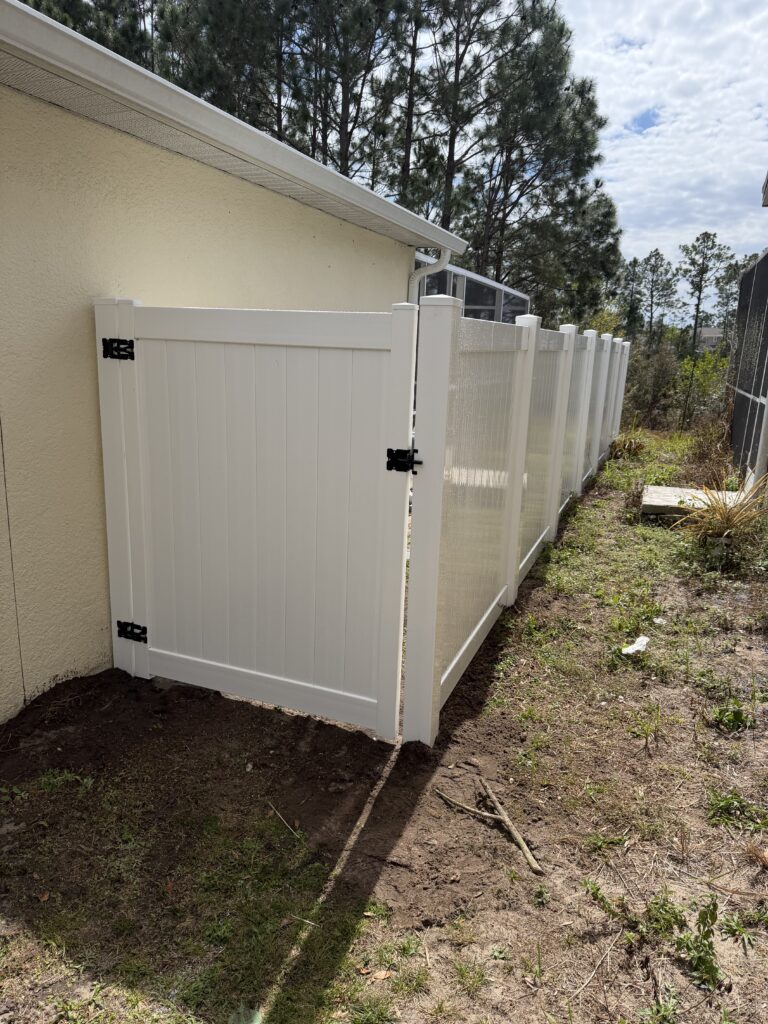
Vinyl and aluminum sidestep the warping problem in two very different ways. Vinyl does not absorb water, so it will not cup or twist like wood, though it can expand and sag in extreme heat if it is installed too tightly. Aluminum does not warp at all and shrugs off Florida heat without changing shape. Both options cost more up front than wood, but they need far less maintenance over the years. For homeowners who want a low fuss fence that stays straight, these materials are strong choices. The right pick depends on your budget, your style, and how much upkeep you want to take on. Our team can walk you through every option and help you choose a material built for Florida weather.
How Moisture And Florida Sun Work Together To Cause Fence Warping
Moisture and sun form a powerful team when it comes to fence warping. Florida summers bring daily afternoon rain followed by hours of strong sunshine. Wood soaks up water during the storm and then bakes dry within hours once the clouds clear. This rapid swing between wet and dry is one of the hardest things any fence can face. Each cycle makes the wood swell and then shrink, and that constant movement loosens joints and bends boards. Over a single rainy season a fence can run through dozens of these cycles. The repeated stress is what turns small bends into permanent, visible warps.
Ground moisture adds another layer to the problem. The bottom of a fence board sits close to soil that stays damp long after the surface has dried. That keeps the lower part of the board wetter than the top, which is drying fast in the sun. The gap in moisture from top to bottom pulls the board out of shape. Posts set in wet soil can also shift as the ground swells and settles through the rainy season. When a post moves, every board attached to it moves right along with it. Good drainage and proper post depth help keep this kind of warping in check from the start.
Humidity keeps the air heavy with moisture even on days without rain. Florida air carries far more water than the air in drier states, so fence wood rarely dries out all the way. A board that never fully stabilizes is always sitting under some level of stress. When the sun then heats that damp wood, the surface dries while the core stays wet, and the board bends. This is why a fence that would last decades in Arizona can struggle in Central Florida without the right care. Sealing the wood is the best defense against this steady moisture pressure. A sealed board takes on far less water and moves far less through each wet and dry cycle.
How To Prevent Your Fence From Warping In Florida Sun
Preventing fence warping in Florida comes down to three things: materials, finish, and installation. The wood you choose sets the baseline for how well the fence will hold up over time. The sealant or stain on top controls how much water the boards take on through every storm. The way the fence is built decides how much room the boards have to move without bending. Get all three right and your fence can stay straight through many Florida summers in a row. Skip any one of them and the sun will find the weak point fast. The sections below cover each part of a warp resistant fence so you know what to look for.
Sealing And Staining To Prevent Fence Warping In Florida Sun
Sealing is the single most effective step a homeowner can take to prevent fence warping. A quality sealant fills the pores of the wood and blocks water from soaking in during rain. With less water moving in and out, the boards swell and shrink far less through each cycle. That stability is exactly what keeps a board lying flat over the long run. A good sealant also includes sun protection, which slows the surface drying that drives cupping. Bare wood left unsealed in Florida will gray, crack, and warp within a couple of seasons. The cost of sealing is small next to the cost of replacing a warped fence.
Stain offers protection along with color and stays a popular choice across the Orlando area. A stain with built in UV blockers cuts the amount of heat and light that reaches the wood surface. Lighter stain tones reflect more sun and help the boards run cooler through the hottest part of the day. Penetrating stains soak into the wood instead of sitting on top, which gives longer lasting protection. Most Florida fences benefit from a fresh coat every two to three years. The exact timing depends on sun exposure, rainfall, and the product you use. A fence that is restained on schedule holds its shape and color far longer than one left to fade.
Timing matters a great deal when you seal or stain a fence in Florida. New pressure treated wood often needs time to dry out before it will accept a sealant properly. Sealing should be done over a dry stretch of days so the product can cure without rain washing it off. Early summer can be tricky because of the daily storms, so many homeowners seal during the drier spring months. If your fence is already up and unprotected, it is never too late to start a sealing routine. Our crew can clean, prep, and seal an existing fence as part of a maintenance visit. A protected fence is far better equipped to handle the worst of the Florida summer.
Choosing Fence Materials That Resist Warping In Florida Sun
The material you start with sets the ceiling for how warp resistant your fence can be. For wood fences, properly dried and graded lumber is the foundation of a straight build. Boards that are kiln dried or allowed to dry before installation move far less than green, freshly treated wood. Quality grading also matters, since boards with fewer knots and straighter grain resist twisting. Cedar offers natural stability and is a strong pick for homeowners who want wood that holds its shape. Pressure treated pine works well too when it is chosen carefully and installed with proper spacing. The key is starting with good wood rather than trying to fix bad wood after the fact.
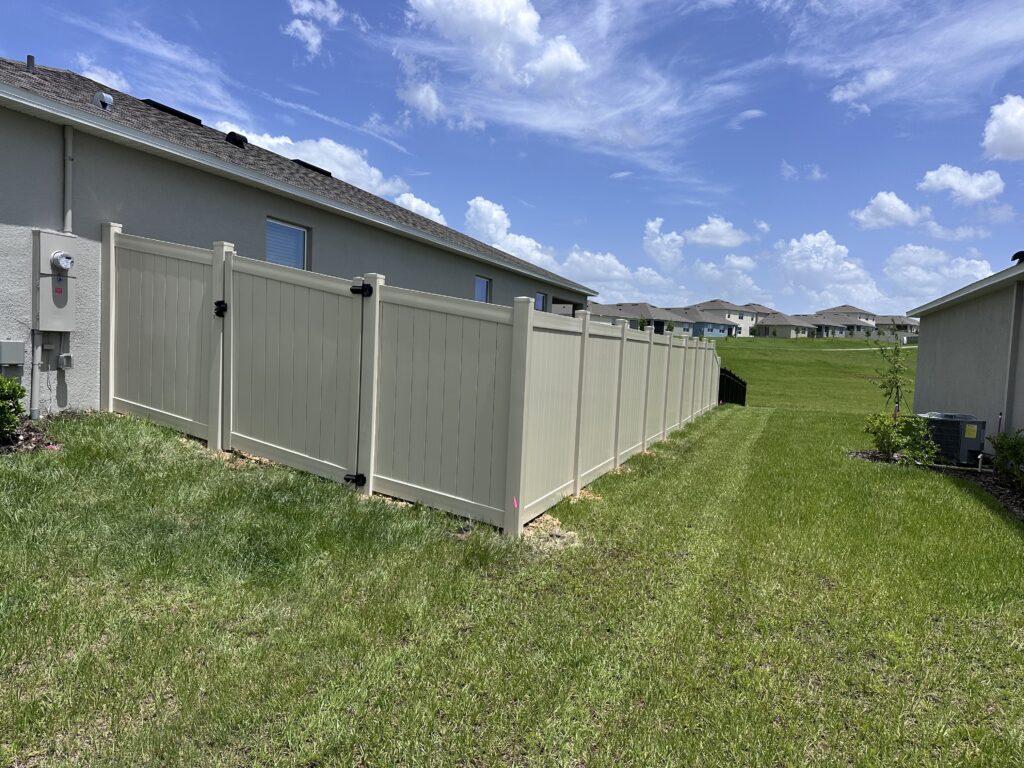
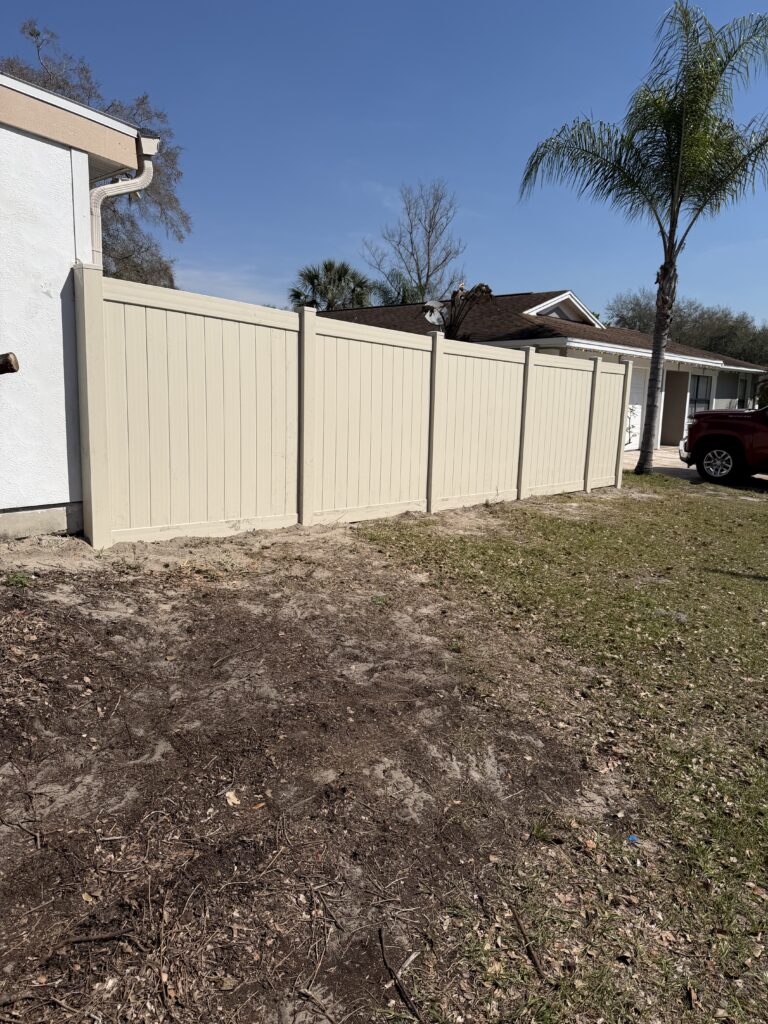
For homeowners who want to avoid warping altogether, vinyl and aluminum are worth a close look. Vinyl fencing does not absorb water and will not cup or twist the way wood can. Quality vinyl made for hot climates is built to handle expansion without sagging. Aluminum holds its shape in any heat and never needs sealing or staining at all. Both materials carry a higher up front cost than a basic wood fence. They make up for it with very low maintenance and a long, straight life under Florida sun. For many busy homeowners that trade works out well over the years.
The best material depends on your goals, your budget, and the look you want. A picket fence built for curb appeal calls for different choices than a tall privacy fence for a back yard. Coastal and high wind areas add another layer to the decision as well. A fence company that knows Central Florida can match the right material to your property and your needs. We help homeowners across Winter Garden and the surrounding areas pick fencing built to last in our climate. The right choice up front saves real money and real headaches down the road.
Proper Installation To Keep Your Fence From Warping In Florida Sun
Even the best material will warp if the fence is installed poorly. Boards need a small gap between them so they have room to expand when they take on summer moisture. A fence built with boards pressed tight has nowhere to go when the wood swells, and warping is the result. Proper fastening matters just as much, with the right number of screws or nails placed to hold each board flat. Too few fasteners let boards twist, while fasteners set too close to the edge can split the wood. A skilled crew knows exactly how to space and secure boards for Florida conditions. These details are easy to overlook, yet they decide how a fence ages.
Post setting is the backbone of a fence that stays straight for years. Posts must be set deep enough and in enough concrete to resist shifting through the wet season. A post that moves drags its boards out of line and creates the look of warping even when the boards are fine. Good drainage around each post keeps water from pooling and softening the soil. The proper post depth in Florida accounts for both the high water table and strong storm winds. Cutting corners on posts is one of the most common reasons fences fail early in this state. A professional installation gets that foundation right the first time.
Material handling before and during installation also shapes how a fence holds up. Lumber that is stored flat and dry before the build moves less once it is standing. Boards installed while soaking wet will shrink and pull as they dry in place. A careful crew lets the wood acclimate and installs it under the right conditions. Small steps like sealing the cut ends of boards slow down moisture loss and reduce warping. All of these details add up to a fence that stays straight season after season. This is the clear difference a professional fence company brings to every job.
Why You Need A Professional To Fix A Warped Fence In Florida
A warped fence rarely fixes itself, and the problem tends to spread as the seasons pass. Once boards begin to twist, the stress moves to the fasteners, rails, and posts around them. Catching the issue early often means a simple repair instead of a full replacement. A professional can tell you fast which boards can be saved and which ones need to go. Fence Pros has helped homeowners across the Orlando area straighten out warped fences and keep them standing strong. The sections below explain when a repair makes sense, when replacement is the smarter call, and why our team is the right choice.
When To Repair A Warped Fence In Florida
Repair is often the right answer when warping is limited to a few boards. A handful of cupped or twisted pickets can be swapped out without touching the rest of the fence. The posts and rails usually stay solid even when surface boards have moved out of line. A quick repair restores the straight look and stops the damage from spreading further. Catching warping early keeps both the cost low and the work simple. Our crew can replace damaged boards and match them to your existing fence.
Loose fasteners are another common and very fixable cause of a warped look. Florida heat works screws and nails loose over the years, and loose boards twist easily. Securing those boards again with the right fasteners can pull a fence back into line. Sometimes a rail has sagged and needs to be reset or reinforced for support. These targeted repairs cost far less than a new fence and add years of life. A professional knows which fixes will truly hold and which only delay a larger problem.
Timing is everything when it comes to fence repair. A small warp ignored through one Florida summer can turn into a bowed run by the next. Boards that pull loose let in more moisture, which speeds the damage along. The longer a problem sits, the more boards and hardware it tends to drag down with it. A fast repair keeps a minor issue from growing into a major expense. If you are seeing the early signs of warping, our team can address it before it spreads.
When To Replace A Warped Fence In Florida
Replacement becomes the better choice when warping has spread across the fence. A fence with twisting along most of its length has usually reached the end of its service life. At that point repairs cost nearly as much as a new fence and do not last as long. Old wood that has dried and cracked will keep warping no matter how many boards you swap. A fresh fence built with the right materials solves the problem at the root. It also gives you the chance to upgrade to a more warp resistant option.
Failing posts are a strong sign that replacement is due. When posts have shifted, rotted, or pulled loose, the whole fence loses its support. Reusing bad posts under new boards only sets up the next round of problems. A full replacement lets the crew set new posts at the proper depth for Florida soil and wind. That solid foundation is what keeps a new fence straight for many years. Our team handles fence replacement from the posts up so nothing weak is left behind.
Storm and age damage can also push a fence past the point of repair. Years of Florida sun, rain, and wind take a steady toll on even a well built fence. When the wood is brittle and the structure is loose, a new fence is the safe and lasting answer. A replacement built for our climate will outlast a patched up old fence many times over. It restores both the look and the security of your property at once. Need a fresh start for a worn out fence? Click here for our fence replacement service: https://fenceprosorlando.com/services/fence-replacement/
Why Choose Fence Pros For Your Warped Fence In Florida
Fence Pros is a professional fence installation company based in Winter Garden, Florida. Owner Brad Jackson built the company around clean work, strong builds, and long term results. We serve Winter Garden and the surrounding areas, often reaching customers within one hour. Our team works on both residential and commercial fencing projects across the region. We use high quality materials chosen to stand up to Florida weather. Every job is handled with the care that keeps our customers coming back.
We know how hard the Florida sun is on a fence, and we build with that in mind from the very start. The right materials, proper sealing, and careful installation are part of every project we take on. We offer free estimates on all fence projects so you know the cost before any work begins. Our focus stays on doing the job right rather than rushing through it. That steady approach is why we have earned a name for consistent five star service. When you hire us, you get a fence built to stay straight and strong for years.
Choosing the right fence company is the most important step in keeping your fence from warping. A skilled crew makes the difference between a fence that lasts and one that fails early. Fence Pros brings the experience, the materials, and the workmanship that Florida fences demand. We stand behind our work and treat every property as if it were our own. Reach out today and let us protect your fence from the worst of the Florida sun. Click here to contact Fence Pros and request your free estimate: https://fenceprosorlando.com/contact/