
What HOA Rules Mean For Your New Fence Project
A new fence can boost your privacy, raise your property value, and define your yard with a clean, finished look. In many Central Florida neighborhoods, though, the project starts with a homeowners association rather than a shovel. HOA rules set the standards for what you can build, how tall it can stand, and which materials and colors are allowed on your lot. These rules live inside the community covenants, often called the CC&Rs, and they apply to nearly every fence built within the association. Skipping a step can cost you money, time, and the fence itself. Understanding the rules early keeps your project smooth from the first measurement to the final post. Brad Jackson and the team at Fence Pros work inside these guidelines every week across Winter Garden and the surrounding cities. This guide breaks down what HOA rules mean for your new fence and how to plan around them with confidence.
Understanding HOA Rules Before You Start a New Fence Project
Homeowners associations exist to keep a neighborhood looking consistent, and fences sit near the top of their list. Before you order any material, you need to know which HOA rules govern your specific lot and street. Many communities limit fence height, restrict certain materials, and require a single approved color across the whole subdivision. Some allow aluminum and vinyl while banning chain link or rough wood in front yard areas. Corner lots, lakefront lots, and conservation borders often carry extra restrictions that standard interior lots do not. Reading the CC&Rs in full saves you from guessing and protects your investment. The clearer you are at the start, the faster your new fence project moves forward.
HOA Rules That Affect Your New Fence Project Height and Materials
Height limits are one of the most common HOA rules tied to a new fence project, and they vary from one community to the next. Many Florida associations cap backyard fences at six feet and side or front sections at four feet or lower. These limits protect sightlines, keep streets open, and maintain a uniform look across the block. Material rules sit right beside height rules in most covenant documents. Aluminum and vinyl are widely accepted because they hold up well in Florida heat, humidity, and frequent rain. Wood is sometimes allowed in backyards but may require a specific style, such as board on board or shadowbox. Knowing the exact height and material standards before you buy keeps your new fence project on track.
Color is another detail that surprises many homeowners during a new fence project. Some associations require white or sandstone vinyl, while others approve only black or bronze aluminum to match the neighborhood palette. A fence in the wrong color can trigger a removal notice even when the height and material are perfectly legal. Picket spacing, cap styles, and post designs may also fall under the rules in stricter communities. These small choices add up, and they shape the quote you receive from any fence company. A professional installer who knows Central Florida HOA standards can guide each of these decisions for you. Matching the rules from day one means your fence passes review without expensive changes later.
Florida weather plays a real role in which materials make sense for your new fence project under HOA rules. Aluminum resists rust and stands strong against humidity, which makes it a favorite for pool enclosures and decorative front sections. Vinyl will not rot, warp, or attract termites, so it performs well through long rainy seasons and hot summers. Pressure treated wood can work when the covenants allow it, though it needs more upkeep over time. The right material balances the HOA requirements with the long term durability your home deserves. Fence Pros builds with materials chosen specifically for Florida conditions and local association standards. That combination keeps your fence approved, attractive, and standing strong for years.
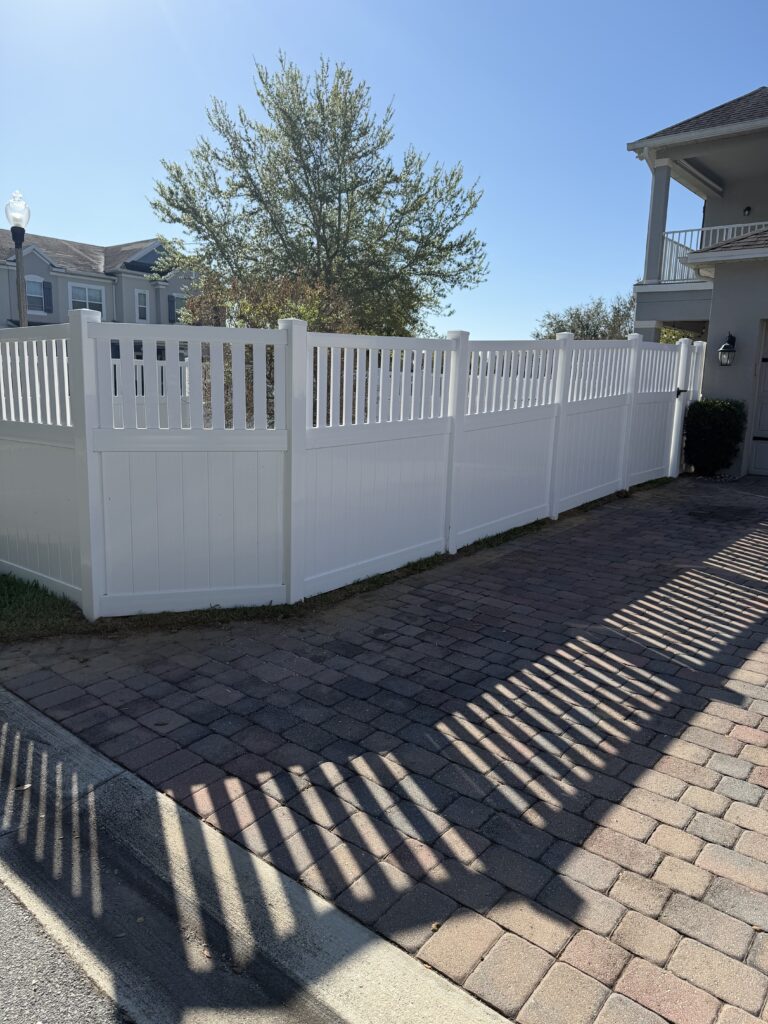
How HOA Rules Shape the Approval of Your New Fence Project
Most associations require written approval before any post goes in the ground, and this step defines the timeline for your new fence project. The request usually goes to an Architectural Review Committee, sometimes called the ARC, or directly to the board. You submit an application that describes the fence, its height, its material, its color, and its exact placement on the lot. Many committees also ask for a survey or a simple site plan showing where the fence will sit. The review period can run from a few days to several weeks depending on how often the committee meets. Planning around that window prevents frustration and keeps your project realistic. Approval first, installation second is the rule that keeps homeowners out of trouble.
The approval process exists to confirm that your new fence project matches the look the community agreed to maintain. Committees check your plans against the height limits, the approved material list, and the color standards written in the CC&Rs. They also confirm your fence will not block a neighbor’s view, cross an easement, or sit in a drainage area. A complete and accurate application moves through review far faster than a vague one. Photos, product specifications, and a clean site drawing all strengthen your request. The more detail you provide, the fewer questions the committee sends back. Strong paperwork is one of the simplest ways to speed up your new fence project.
A trusted fence contractor makes the approval stage far easier on your new fence project. Experienced installers already know what most Central Florida associations want to see and how each one prefers to receive it. They can prepare the height details, material descriptions, and placement notes that committees ask for again and again. Need help getting your fence built right the first time? Click here for our fence installation service. A contractor who has worked with your association can flag issues before you submit, which saves a round of revisions. That guidance turns a slow, confusing process into a clear and predictable one. With the right team, approval becomes one step instead of a roadblock.
HOA Rules and Property Lines For Your New Fence Project
Property lines matter just as much as height and color in any new fence project, and HOA rules reinforce that point. Building on or over a property line can lead to disputes with neighbors and demands from the association. A current survey shows the exact boundaries of your lot and where your fence can legally stand. Many communities require the fence to sit a set distance inside the line, often a few inches to a foot, to allow for maintenance access. Easements for utilities, drainage, and shared walls add another layer of placement rules. Ignoring these details can force a costly relocation after the fence is already standing. Confirming your lines early protects both your project and your relationship with the people next door.
Setback requirements appear in many HOA documents and directly affect your new fence project layout. A setback is the minimum distance a fence must stay from the street, sidewalk, or rear boundary. Front yard setbacks are usually the strictest because associations want open, welcoming streetscapes. Lakefront and conservation lots in Central Florida often carry larger setbacks to protect the water and natural buffers. These distances change the usable length of your fence and the gate placement options you have. A professional installer measures these setbacks precisely so the design fits the rules. Accurate placement keeps your fence compliant and your yard fully usable.
Shared fences and neighbor agreements come up often during a new fence project inside an HOA. When two yards meet, the association may have specific rules about who maintains the fence and how it should look from both sides. Good neighbor designs that finish both faces evenly are common requirements in stricter communities. Talking with your neighbor before installation prevents confusion and builds goodwill. Some associations even ask for written neighbor consent on shared boundary lines. A clear plan keeps everyone informed and keeps your fence within the rules. Handling these conversations early makes the entire project calmer and cleaner.
How to Get HOA Approval For Your New Fence Project
Getting HOA approval for your new fence project follows a clear path once you understand the steps. You start by reading the covenants, then you gather your survey, your plans, and your material details. Next you complete the association application and submit it to the committee or board for review. The committee compares your request to the community standards and either approves it, requests changes, or denies it. A well prepared package usually earns a faster and smoother answer. Once you hold written approval, you can schedule installation with confidence. The process rewards homeowners who plan ahead and document everything correctly.
Submitting Plans For HOA Approval On Your New Fence Project
A strong application is the foundation of HOA approval for your new fence project. The committee wants to see exactly what you intend to build before they sign off. Your submission should list the fence height, the material, the color, and the style in plain terms. A site plan or survey marked with the fence location answers most of the committee’s questions in advance. Product photos and manufacturer specifications add weight and clarity to the request. Clean, complete paperwork signals that you take the community standards seriously. That impression alone can move your application through review more quickly.
Accuracy carries real value when you submit plans for your new fence project. A drawing that shows the wrong setback or an outdated lot line can stall the entire review. Committees check every detail against the CC&Rs, so small errors create big delays. Measuring twice and confirming your boundaries with a current survey prevents these setbacks. Listing the precise product, such as a six foot white vinyl privacy panel, removes guesswork for the reviewers. The fewer assumptions the committee has to make, the faster they can approve your fence. Precise plans protect your timeline and your budget at the same time.
Professional support strengthens your plans and your new fence project from the start. Fence Pros prepares the height, material, color, and placement details that Central Florida associations expect to see. Brad Jackson and his team have walked many homeowners through this exact process across Winter Garden and nearby cities. Want a free estimate and expert guidance on your fence? Click here to contact Fence Pros. A contractor who knows your community can match your application to its specific format and preferences. That local knowledge turns a stressful submission into a confident one. Strong plans backed by experience give your fence the best chance at quick approval.

Common HOA Approval Delays During a New Fence Project
Delays during a new fence project usually trace back to missing or unclear information. An application without a survey, a color choice, or a placement diagram forces the committee to pause and ask for more. Each round of questions adds days or weeks to the timeline. Incomplete material descriptions are another frequent cause of slow approvals. When reviewers cannot picture the finished fence, they hesitate to approve it. Submitting a thorough package the first time avoids most of these holdups. Preparation remains the strongest tool against approval delays.
Committee meeting schedules also affect how fast your new fence project moves. Many boards review applications only once or twice a month, which means timing matters. Submitting right after a meeting can leave your request waiting for weeks before the next session. Knowing the meeting calendar helps you plan your installation date with realistic expectations. Holidays and seasonal slowdowns can stretch the wait even further in some communities. Building this timing into your plan keeps your project on schedule. A little patience with the calendar saves frustration down the road.
Neighbor concerns and boundary questions can slow a new fence project as well. If a neighbor disputes a line or raises a complaint, the committee may pause review to sort it out. Confirming your property lines and talking with adjacent owners early removes this risk. Shared fence agreements should be settled before you submit your application. A clear, agreed plan keeps the review focused on the fence itself rather than a dispute. Solving these issues up front protects your timeline. Smooth neighbor relations often lead to smoother approvals.
What Happens If You Skip HOA Approval For Your New Fence Project
Skipping HOA approval on a new fence project carries real consequences that grow over time. Most associations can issue a formal violation notice once they spot an unapproved fence. That notice often comes with a deadline to fix the problem or remove the fence entirely. Fines may follow, and they can repeat daily or monthly until the issue is resolved. Few homeowners want to pay for a fence twice, yet that is the risk of building without approval. Following the rules from the start avoids this expensive trap. Approval is far cheaper than removal.
A fence built outside the rules can also create problems when you sell your home. Title and closing reviews sometimes flag unapproved structures and pending HOA violations. Buyers may hesitate, lenders may pause, and the sale can stall while the issue gets corrected. An approved fence, by contrast, adds clean value and a smooth record to your property. Documentation of approval gives future buyers confidence in the home. Protecting that paper trail protects your equity. Compliance today prevents headaches at the closing table tomorrow.
Tearing out and rebuilding a fence is the worst case outcome of skipping approval on a new fence project. The cost of removal, disposal, and a second installation adds up quickly. The time lost can stretch for months while you resubmit plans and wait for review. Stress with neighbors and the association often follows close behind. Doing the project right the first time avoids all of it. If a past fence needs correcting, a professional can help you bring it into compliance. Click here for our fence replacement service to rebuild it the right way.
Why You Need a Trusted Fence Company For Your HOA Fence Project
An HOA fence project rewards careful planning, accurate paperwork, and clean installation. A trusted fence company brings all three to the table from the first measurement to the final inspection. Fence Pros knows the height limits, material standards, and approval steps that Central Florida associations follow. The team builds with materials made for Florida weather and finishes every job with strong, lasting results. Hiring the right contractor turns a complicated process into a simple one. Your fence ends up approved, attractive, and built to last.
How Professional Installation Helps Your HOA Fence Project
Professional installation gives your HOA fence project the strong foundation it needs. Experienced crews set posts at the correct depth, anchor them firmly, and align every panel cleanly. That craftsmanship matters in Florida, where storms and saturated soil test every fence. A fence built to last keeps you off the association’s violation list for the wrong reasons. Quality work also holds its appearance through years of sun, rain, and wind. Clean builds reflect well on you and on the neighborhood.
A skilled installer also keeps your HOA fence project aligned with the approved plans. The fence that goes in the ground should match the height, material, and placement the committee signed off on. Professionals measure carefully and follow the survey to keep every section compliant. That accuracy prevents surprise notices after the work is done. It also protects your relationship with the association for future projects. Precision on the build matches the precision of the approval.
Strong installation supports the long term value of your HOA fence project. A well built fence resists sagging, leaning, and loose hardware that draw complaints. It also reduces repair needs over the years, which saves you money. Fence Pros focuses on clean work, strong builds, and results that last. That commitment shows in every gate, post, and panel. A fence built right the first time is a fence you can forget about and enjoy.

Saving Time and Money On Your HOA Fence Project
A trusted contractor saves you real time on your HOA fence project from the very beginning. Knowing the association standards means fewer revisions and faster approvals. That efficiency moves your project from idea to installation without wasted weeks. Time saved on paperwork is time you spend enjoying your new fence. A smooth process also lowers the stress that comes with a major home improvement. Smart planning protects your schedule.
Saving money on your HOA fence project starts with doing the work correctly the first time. A fence that passes review needs no costly changes or removals later. The right material choice also cuts down on repairs and replacements over the years. Fence Pros offers free estimates so you know your costs before you commit. Clear pricing helps you plan your budget with confidence. Getting it right early keeps more money in your pocket.
A professional fence company helps you avoid the hidden costs that come with mistakes. Fines, removals, and rebuilds all drain a budget fast. Approved, well built fences carry none of those penalties. Need a fence built to last with no surprises? Click here for our fence installation service and start with a free estimate. The savings show up in both the short term and the long run. A wise choice up front pays off for years.
Why Choose Fence Pros For Your HOA Fence Project
Fence Pros brings local knowledge and proven workmanship to every HOA fence project across the Orlando area. Owned and operated by Brad Jackson, the company serves Winter Garden and surrounding cities within about one hour. The team understands the association rules that shape fences from Clermont to Kissimmee and beyond. That experience helps homeowners move through approval and installation with ease. Local roots mean the team knows the communities it serves. Trust starts with that kind of dedication.
The company builds with high quality materials made for Florida weather and the demands of HOA standards. Every project focuses on clean work, strong builds, and long term results. Free estimates on all fencing projects help homeowners plan with clear numbers. Residential and commercial customers both receive the same careful attention. That consistency has earned Fence Pros a reputation for five star service. Quality and care guide every job.
Choosing Fence Pros means choosing a partner who handles the details of your HOA fence project. From plans to posts, the team keeps your fence compliant and attractive. Brad Jackson and his crew take pride in honest work and lasting results. Ready to start your fence project the right way? Click here to contact Fence Pros for a free estimate today. Your new fence deserves a team that treats it with care. Fence Pros is ready to build it right.