
Why Your Fence Posts Rot So Fast In Florida And How To Stop It
Florida homeowners often replace fence posts long before they should have to. The heat, humidity, and sandy soil create a perfect storm for wood rot, and many fences in the Winter Garden area start failing within five to seven years. Rotting posts cause leaning panels, gate sag, and total fence collapse during summer storms. Understanding why this happens helps you protect your investment for the long haul. Fence Pros has seen every type of post failure across Central Florida, and most of it traces back to a handful of common causes. The good news is that proper installation and smart material choices can stretch a fence’s life well past the average. This guide walks you through the science of post rot and the steps that actually work in our climate.
What Causes Fence Posts To Rot So Quickly In Florida Soil
Florida’s environment punishes wood in ways that drier states never see. Constant rainfall, high humidity, and warm temperatures create the ideal conditions for fungal growth year-round. Sandy soil holds water against the post base, then drains too fast for the surrounding ground to support the structure. Insects like termites and carpenter ants thrive in moist wood, accelerating decay from the inside out. Even pressure-treated lumber breaks down faster here than in cooler regions. Knowing the exact reasons your fence posts fail helps you choose better solutions the next time around.
The Florida Humidity Problem That Destroys Fence Posts
Humidity in Central Florida regularly sits above 70 percent for months at a time. Wood absorbs moisture directly from the air, and that moisture never fully dries out before the next rainstorm hits. This constant wetness feeds wood-decay fungi, which need only a damp surface and warm temperatures to spread. Once the fungus takes hold, it eats away at the cellulose fibers that give the post its strength. You may not see the damage on the outside for years, but the core of the post is hollowing out. By the time a panel starts leaning, the post below the soil line is often soft enough to crumble in your hand. Fence Pros recommends inspecting posts every spring to catch early signs of softening.
Air circulation around the post base matters more than most people realize. Mulch, grass clippings, and overgrown landscaping trap moisture against the wood and block evaporation. Sprinkler systems make the problem worse when they spray directly onto the fence line every morning. Posts installed too close to garden beds or irrigation heads almost always rot first. Keeping a clear zone of at least six inches around each post slows the decay process significantly. Pulling back mulch and trimming back plants is one of the cheapest forms of fence maintenance available.
Salt air adds another layer of damage for properties closer to the coast. Salt particles settle on the wood and pull moisture out of the surrounding air, keeping the surface damp for longer periods. This effect reaches inland farther than most homeowners expect, especially in low-lying areas of Apopka and Casselberry. Salt also corrodes the metal fasteners holding panels to posts, weakening the entire structure. Stainless steel or hot-dipped galvanized hardware lasts much longer in these conditions. Replacing standard nails and screws every few years prevents small failures from turning into major repairs.
The Sandy Soil Problem Behind Florida Fence Post Rot
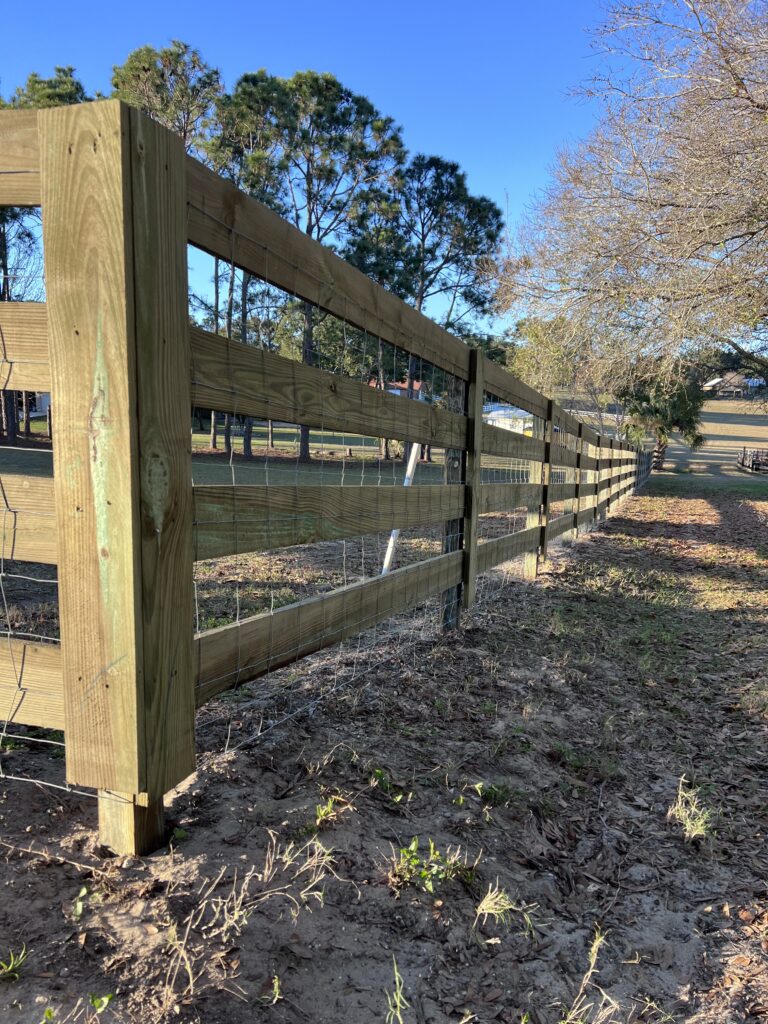
Most properties in the Winter Garden area sit on sandy or sandy-loam soil. Sand drains water quickly, but it also fails to hold posts firmly in place over time. The constant cycle of wet and dry conditions causes the soil around each post to shift, creating small air pockets at the base. Water collects in these pockets after every rainstorm, sitting directly against the bottom of the post for hours or days. This trapped water is the single biggest cause of premature post rot in Central Florida. Fungi feed on the wet wood, and the post begins to fail from the ground up.
Concrete footings can actually make the problem worse if installed incorrectly. Many contractors pour concrete in a bowl shape around the post, which traps water against the wood and accelerates rot. The correct method involves crowning the concrete so water runs away from the post, and leaving a small gravel base for drainage. Skipping the gravel layer is one of the most common installation mistakes in the area. A properly drained footing can add five to ten years to the life of a fence post. Fence Pros uses gravel bases and crowned concrete on every installation we do.
Soil pH also plays a role that few homeowners consider. Florida’s sandy soil tends to be slightly acidic, which speeds up the breakdown of wood fibers and certain metal hardware. Acidic conditions also encourage specific types of fungi that target wood structures. Pressure treatment chemicals can leach out of the post faster in acidic soil, leaving the wood vulnerable. Testing soil pH before installation helps determine the right post material for your property. For sites with very acidic soil, vinyl or aluminum posts may be the better long-term choice.
The Insect Damage Problem Worsening Florida Fence Post Rot
Termites are a year-round threat in Central Florida, and fence posts are one of their favorite targets. Subterranean termites travel through the soil and attack posts from below, often without any visible sign at the surface. By the time you notice mud tubes on the post, the interior may already be hollowed out. Formosan termites cause even faster damage and have spread throughout the Orlando metro area. A single colony can destroy multiple posts in a single season. Regular termite inspections of your fence line catch infestations before they ruin the entire structure.
Carpenter ants attack wood that is already softened by moisture or fungal decay. They do not eat the wood, but they tunnel through it to build nests, which weakens the post even further. Carpenter ants prefer the same damp conditions that cause rot, so their presence is often a sign of deeper problems. Once you see sawdust at the base of a post, the damage inside is usually extensive. Treating the post with borate or replacing it entirely are usually the only options at that point. Catching the problem early saves money and prevents fence collapse.
Wood-boring beetles round out the list of common pests in Florida fence posts. Their larvae tunnel through the wood for months or years before emerging as adults. The exit holes they leave behind let in more moisture, which accelerates rot and invites secondary infestations. Pressure-treated lumber resists most beetle activity, but the treatment chemicals weaken near the post tips and in cut areas. Sealing cut ends with a borate-based product extends the protection significantly. Need help dealing with damaged or rotting posts? Click here for our fence repair service.
How To Stop Fence Posts From Rotting In Florida
Stopping post rot starts with smart choices before installation day. The material you pick, the installation method, and the maintenance routine all work together to determine how long your fence lasts. Florida conditions demand more attention than other parts of the country, but the payoff is worth it. A properly installed fence can last 20 years or more, even in the toughest spots. Skipping any of these steps cuts that lifespan in half or worse. Here is what actually works for keeping fence posts strong in our climate.
Choosing The Right Materials To Prevent Florida Fence Post Rot
Pressure-treated southern yellow pine is the most common fence post material in Central Florida. Look for posts rated for ground contact, which use a higher concentration of preservative chemicals than standard pressure-treated lumber. Posts labeled UC4A or UC4B are designed for direct soil contact and resist rot far longer. Cheaper UC3B-rated posts are meant for above-ground use and will fail quickly when buried. The difference in price between the two grades is small, but the difference in lifespan is huge. Always check the tag stapled to the end of each post before installation.
Cedar and cypress posts offer natural rot resistance without chemical treatment. Cypress in particular handles Florida’s humidity well, since it has been growing in our swamps for centuries. The downside is cost, since both species run higher than pressure-treated pine. Quality also varies widely, and heartwood is far more durable than sapwood. Buying from a reputable lumber yard helps you get the right grade for the job. For homeowners who want a natural look and a long lifespan, cypress is hard to beat.
Vinyl, aluminum, and steel posts skip the rot problem entirely. Vinyl posts often have an aluminum or steel insert for added strength, especially on gate sections. These materials cost more upfront, but they require almost no maintenance and last 30 years or longer. They handle Florida humidity, salt air, and insect activity without breaking down. The main drawback is the look, since some homeowners prefer the appearance of natural wood. For a complete fence replacement using long-lasting materials, click here for our fence replacement service.
Proper Installation Techniques That Prevent Florida Fence Post Rot
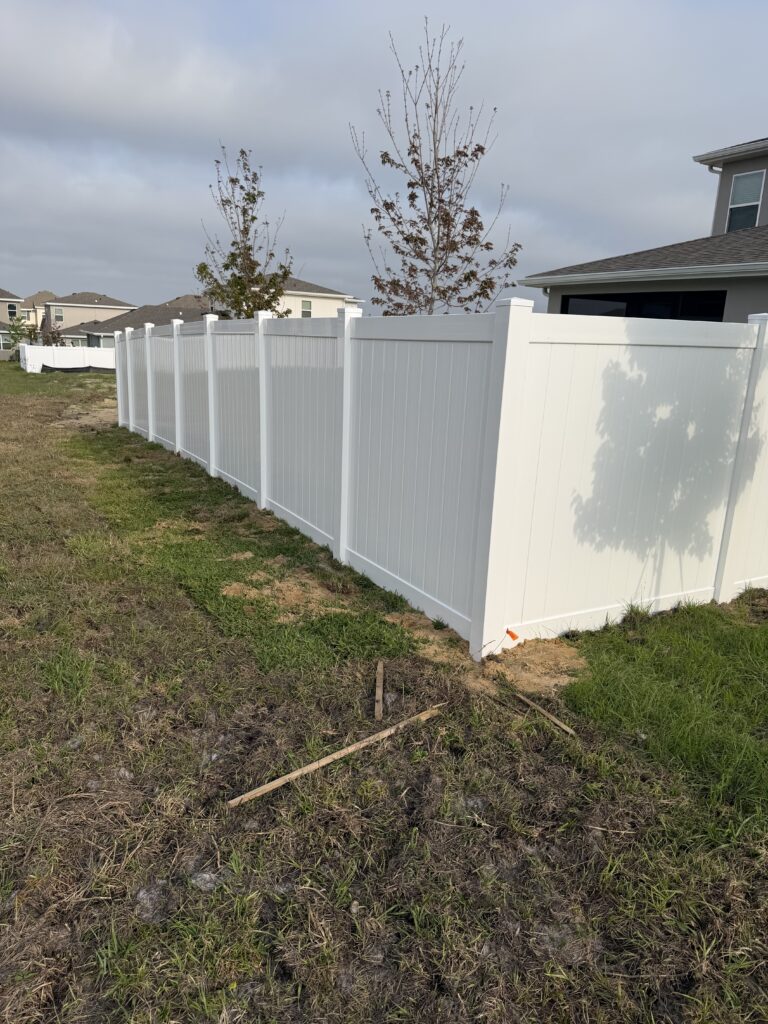
The depth of the post hole matters more than most people think. In Central Florida, posts should be buried at least one-third of their total length, which usually means a hole three feet deep for a standard six-foot fence. Shallow holes let posts shift in sandy soil and expose more wood to moisture damage. The width of the hole should be three times the diameter of the post to allow room for proper drainage materials. Skimping on hole size leads to weak footings that fail within a few years. Take the time to dig each hole correctly before pouring any concrete.
A gravel base at the bottom of each hole is non-negotiable in Florida soil. Four to six inches of clean gravel allows water to drain away from the post bottom instead of pooling around it. The gravel also creates an air gap that helps the wood dry between rainfalls. Skipping this step is the single most common installation shortcut, and it cuts post life dramatically. Some installers use a fast-setting concrete mix poured dry into the hole, which can work in dry climates but fails in Florida. Always use a proper gravel base, regardless of what type of concrete you choose.
Crowning the concrete around the post is just as important as the gravel base below. The concrete should slope down and away from the post at the surface, so rainwater runs off instead of collecting at the wood. A small mound of concrete extending an inch or two above grade does the job nicely. Sealing the top of the concrete with a flexible caulk adds another layer of protection against water intrusion. Fence Pros uses these techniques on every installation, which is why our fences hold up so well in the Florida climate. For new fence installations done right the first time, click here for our fence installation service.
Regular Maintenance That Slows Florida Fence Post Rot
Annual inspections catch small problems before they turn into expensive repairs. Walk the entire fence line each spring and look for soft spots, cracks, leaning panels, and signs of insect activity. Push on each post firmly to check for movement, which often indicates rot below the soil line. Pay special attention to posts near sprinkler heads, downspouts, and low spots in the yard. Catching a single rotting post early can save the rest of the fence from collapse. Spring is the best time to inspect, since winter storms expose any weak points in the structure.
Cleaning and resealing wood posts every two to three years extends their life considerably. A good water-repellent sealer keeps moisture from soaking into the wood and slows fungal growth. Power washing first removes dirt, mildew, and old finish so the new sealer can bond properly. Avoid using too much pressure, since aggressive washing can damage the wood grain and create new entry points for water. Let the wood dry completely before applying any product. Two thin coats work better than one thick coat for long-term protection.
Keeping the area around each post clear of vegetation prevents many rot problems. Trim back grass, weeds, and shrubs so air can circulate freely around the base of every post. Pull mulch and dirt away from the wood, leaving a small clearance around each post. Check that sprinklers are not spraying directly onto the fence line, and adjust the heads if needed. Small habits like these add years to the life of your fence with very little effort. Consistent care is the difference between a fence that lasts ten years and one that lasts twenty-five.
Why You Need A Professional Fence Company For Florida Fence Post Problems
Replacing rotting fence posts is one of the most physically demanding jobs in residential construction. Digging through Florida’s sandy and sometimes rocky soil takes the right tools and plenty of muscle. A professional crew handles the work safely and gets it done in a fraction of the time. Fence Pros has been solving post rot problems across Central Florida for years, and we know what works in this climate. Free estimates make it easy to plan your project without any pressure. Call us today to schedule an inspection of your fence line.
When To Call A Professional For Florida Fence Post Rot
Some fence post problems can be handled by a confident homeowner, but most jobs go faster and last longer with professional help. Replacing a single damaged post in soft soil is usually a weekend project for someone with the right tools. Replacing multiple posts or rebuilding sections of the fence quickly becomes more than one person can handle. Concrete footings are heavy, and removing old ones takes specialized equipment. Hiring a pro saves your back and your weekend. The job also gets done right the first time, which saves money over the long run.
Gate posts and corner posts carry more weight than line posts, and they fail differently. A sagging gate or a leaning corner often means deeper structural problems that need professional assessment. Pulling out and resetting these posts requires careful work to avoid damaging the rest of the fence. Improper repairs can shift the load onto other posts and cause new failures within months. A professional crew evaluates the entire fence before making repairs to make sure the fix actually solves the problem. Spending a little more on expert help prevents repeat problems down the road.
Severe rot or insect damage sometimes calls for complete fence replacement rather than spot repairs. When more than 30 percent of the posts show signs of failure, piecemeal repairs rarely make financial sense. A full replacement lets you upgrade to better materials and a stronger installation method. The new fence will last decades instead of years, and the cost per year of service drops significantly. Fence Pros provides honest assessments to help you decide between repair and replacement. We never push services you do not need.
How Florida Fence Post Repair Saves You Money Long Term
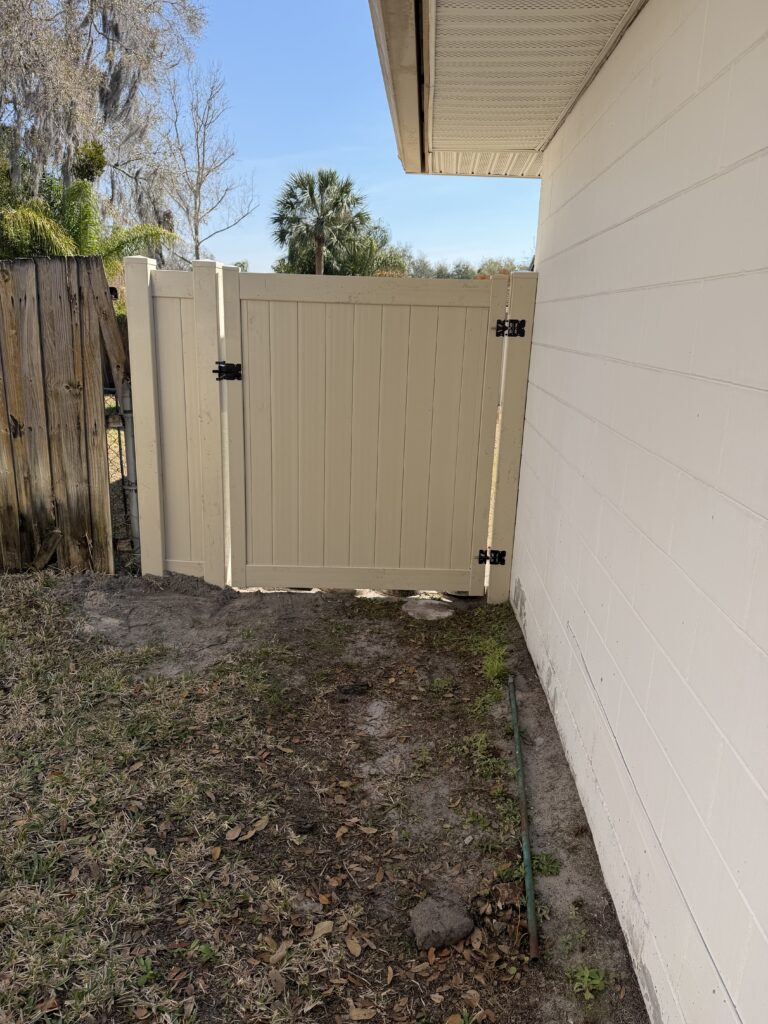
Catching post rot early is always cheaper than waiting for fence collapse. A single replacement post costs a fraction of what a full panel replacement runs after a storm. Acting fast also prevents damage to neighboring posts that share the load. Small repairs add up to big savings over the life of the fence. Annual inspections give you a clear picture of where to spend repair dollars first. Smart maintenance budgets keep total costs predictable year after year.
Upgrading hardware during repairs pays off in unexpected ways. Replacing rusted nails with stainless steel screws strengthens the connection between panels and posts. New hinges and latches on gate sections prevent the sag that pulls posts out of plumb over time. These small upgrades add years of useful service without major investment. A professional installer knows which upgrades deliver the best return for your money. The right hardware turns a basic repair into a long-term improvement.
Choosing better materials during repair work also stretches your budget. Switching from standard pressure-treated posts to ground-contact rated posts costs a small amount more but doubles the lifespan. Adding gravel bases and crowned concrete during replacement extends life even further. Each upgraded post becomes a long-term asset rather than another future repair. Fence Pros helps homeowners make smart material choices that fit their budget. Long-term value beats short-term savings every time.
Why Choose Fence Pros For Your Florida Fence Post Repair
Brad Jackson founded Fence Pros to bring honest, high-quality fencing services to homeowners across Central Florida. Our crew installs and repairs fences in Winter Garden, Apopka, Clermont, Kissimmee, and every community in between. We respond to service calls within one hour of Winter Garden, which means fast help when you need it most. Every project starts with a free estimate, so you know the cost before any work begins. Our ethos centers on clean work, strong builds, and long-term results. We treat every property like our own.
Fence Pros uses materials built to handle Florida weather, including ground-contact rated posts, stainless steel hardware, and proper drainage techniques. We never cut corners on installation, since shortcuts always show up as failures down the road. Our team handles residential and commercial fencing projects of every size. We work with wood, vinyl, aluminum, chain link, and ornamental metal to match your property and your budget. Five-star service is our standard, not our goal. Every customer gets the same level of care and attention to detail.
Choosing the right fence company protects your investment for decades to come. Fence Pros backs every job with consistent communication, clean job sites, and honest pricing from start to finish. Brad and the crew take real pride in the work, and it shows in every fence we build. Free estimates make it easy to compare options without any commitment. Contact Fence Pros today to schedule your inspection or estimate. Florida’s climate is tough on fences, but the right team makes all the difference.