
How To Childproof Your Backyard Fence Before School Starts
Summer break winds down across Central Florida, and parents start preparing for the school year ahead. A safe backyard fence becomes a top priority before kids spend more time playing outside after school. Childproofing your fence protects your children from neighborhood traffic, pools, and wandering off the property. Many Winter Garden homeowners overlook small gaps, broken pickets, and faulty latches that put kids at risk. Florida weather adds extra wear on fences, making annual safety checks essential. Fence Pros helps families across the Orlando area secure their backyards before the bus stops rolling again. This guide walks you through the steps to childproof your backyard fence the right way.
Why Childproofing Your Backyard Fence Matters Before School Starts
The start of the school year shifts daily routines for every family. Kids come home, drop their bags, and head straight outside to burn off energy. A backyard fence acts as the first line of defense against street traffic, stray animals, and unsupervised wandering. Florida yards often back up to retention ponds, busy roads, or neighboring pools, which raises the stakes. Catching fence problems before fall keeps your children safe during those busy after-school hours. A quick inspection now saves you from emergencies later.
A Strong Backyard Fence Childproofing Inspection Checklist
Start your backyard fence childproofing inspection by walking the full perimeter of your property. Look for loose pickets, missing boards, and any gaps wide enough for a small child to squeeze through. Check the bottom of the fence for erosion, since Florida rainstorms wash out soil and create hidden escape routes. Push on each post to test for wobble; weak posts mean the entire panel could fall during play. Examine the top of the fence for splintered wood, sharp metal edges, or rusted chain link that could cut little hands. Document any damage with photos so you can compare problem areas over time. This baseline gives you a clear starting point for repairs.
Next, focus on the gates, since most childproofing failures happen here. Open and close each gate several times, listening for grinding hinges or latches that fail to catch. A gate that swings open in a breeze is a child safety hazard, plain and simple. Measure the gap underneath the gate; anything more than two inches gives small pets and toddlers a way out. Test the latch height to confirm it sits above a child’s reach, ideally 54 inches or higher. Self-closing hinges should snap the gate shut on their own, every single time. Replace any gate hardware that shows rust, corrosion, or sluggish movement.
Finish the inspection by checking the connection points between fence and house. Where the fence meets your home, posts often shift over time, creating narrow gaps along the wall. Look for spots where landscaping, planters, or play equipment sit close enough for kids to climb over. Trim back tree branches that could serve as ladders into or out of your yard. Inspect any decorative cutouts, lattice tops, or open scrollwork for footholds. Note where neighborhood cats, raccoons, or other animals have worn paths under the fence line. A thorough childproofing inspection covers every inch of the barrier.

A Backyard Fence Childproofing Hazard Assessment
Florida fences face hazards that homeowners in other states rarely deal with. Sun damage breaks down wood fibers, vinyl coatings, and even aluminum finishes faster here. Run your hand along the fence (carefully) to feel for rough spots, raised nails, or splinters at child height. Pay close attention to the lower three feet, since this is where kids touch the fence most often. Rusted chain link develops sharp barbs that can scratch or cut on contact. Wood pickets sometimes warp upward, exposing the nail or screw underneath. Mark every hazard with bright tape so nothing gets missed during repairs.
Pool fences require extra attention before the school year ramps up. Florida law sets specific safety standards for barriers around residential pools, and these rules exist for good reason. Make sure your pool fence stands at least four feet tall with no gaps wider than four inches. Verify that the self-closing, self-latching gate opens away from the pool area. Remove any chairs, coolers, or toys near the fence that a child could use to climb over. Check that the gaps under the pool fence stay below two inches at all points. If your pool fence shows any signs of weakness, address it immediately before kids return to outdoor play.
Hardware hazards often go unnoticed during casual yard cleanup. Old fence staples, exposed screws, and broken brackets create real injury risks for active kids. Look for any metal hardware sticking out from posts, rails, or panels. Run a magnet along the base of the fence to find buried nails or staples in the grass. Replace bent or damaged hardware with galvanized or stainless steel pieces that resist Florida humidity. Tighten every visible fastener so nothing rattles loose during the next storm. Need help spotting hidden hazards? Click here for our fence repair service to schedule a professional safety check.
A Backyard Fence Childproofing Repair Priority List
Once your inspection is done, sort the repairs by urgency. Top priority goes to anything that could let a child leave the yard unsupervised. Broken latches, missing pickets, and large gaps belong at the top of the list. Wobbly gates and weak posts come next, since these can fail without warning during play. Sharp edges, splinters, and exposed hardware rank as immediate hazards even though they may seem minor. Treat any pool fence issue as an emergency repair, regardless of size. Working through this list before the first day of school gives you peace of mind.
Wood fence repairs usually involve replacing damaged pickets, rails, or posts. Cypress and pressure-treated pine handle Florida weather best, but both still need maintenance over time. Pull rotted boards completely rather than patching them, since rot spreads through adjacent wood. Use exterior-grade screws instead of nails, since screws hold tighter and resist pull-out from wind loads. Sand any rough surfaces smooth, then seal the repair with a UV-resistant finish. Match the new material to the existing fence as closely as possible to keep the barrier consistent. Quality wood repairs last for years when done right.
Vinyl, aluminum, and chain link fences each need different repair approaches. Vinyl panels often crack at the post connection points after years of sun exposure, and full panel replacement is usually the fix. Aluminum fences may need bent pickets straightened or replaced, plus tightened bracket hardware. Chain link repairs involve patching mesh holes, replacing tension bars, and re-tying the fabric to top rails. Each material has specific hardware that must match for the repair to hold up. Florida’s salt air and humidity speed up corrosion on the wrong fasteners. Hire a professional for any structural repair that affects fence stability or child safety.
Backyard Fence Upgrades That Boost Childproofing Before School Starts
Sometimes repairs are not enough, and an upgrade makes more sense for long-term safety. Older fences may have design flaws that no amount of patching will fix. Picket spacing, gate height, and latch placement all factor into how childproof your backyard really is. Upgrading sections of the fence can deliver years of reliable protection. Florida families benefit from modern materials built to handle the climate. Smart upgrades pay off in safety, curb appeal, and home value.
A Backyard Fence Childproofing Material Upgrade
Switching from chain link to solid vinyl or wood transforms a backyard’s safety profile. Solid fences eliminate the climbing footholds that chain link provides. Vinyl panels resist rot, insects, and UV damage that plague wood fences in Florida heat. Modern vinyl colors blend with most home styles, so you do not sacrifice looks for function. Wood shadowbox or board-on-board designs block visibility while preventing toeholds. Aluminum fences offer a metal option that resists rust better than wrought iron in humid climates. Each material has childproofing strengths worth considering for your specific yard.
Picket spacing matters more than most parents realize. Industry safety standards recommend keeping picket gaps at four inches or less, the same standard used for stair railings. Wider spacing lets small heads, arms, or legs slip through and get stuck. Older fences often have six-inch or wider gaps that meet old codes but fail modern safety expectations. Replacing a wide-picket fence with tighter spacing eliminates this risk entirely. The visual difference is minimal, but the safety improvement is significant. Ask your fence contractor about narrow-pick options during the upgrade quote.
Fence height upgrades also improve childproofing for active climbers. A four-foot fence works for toddlers, but older kids can scale it in seconds. Six-foot fences add a meaningful barrier without making the yard feel closed in. Privacy-style six-foot fences block visibility, which discourages curious kids from trying to see what is on the other side. Tall fences also keep neighborhood dogs and wildlife out of your yard. Local HOA rules may limit your height options, so check those before planning the upgrade. Considering a new fence? Click here for our fence installation service to explore your options.
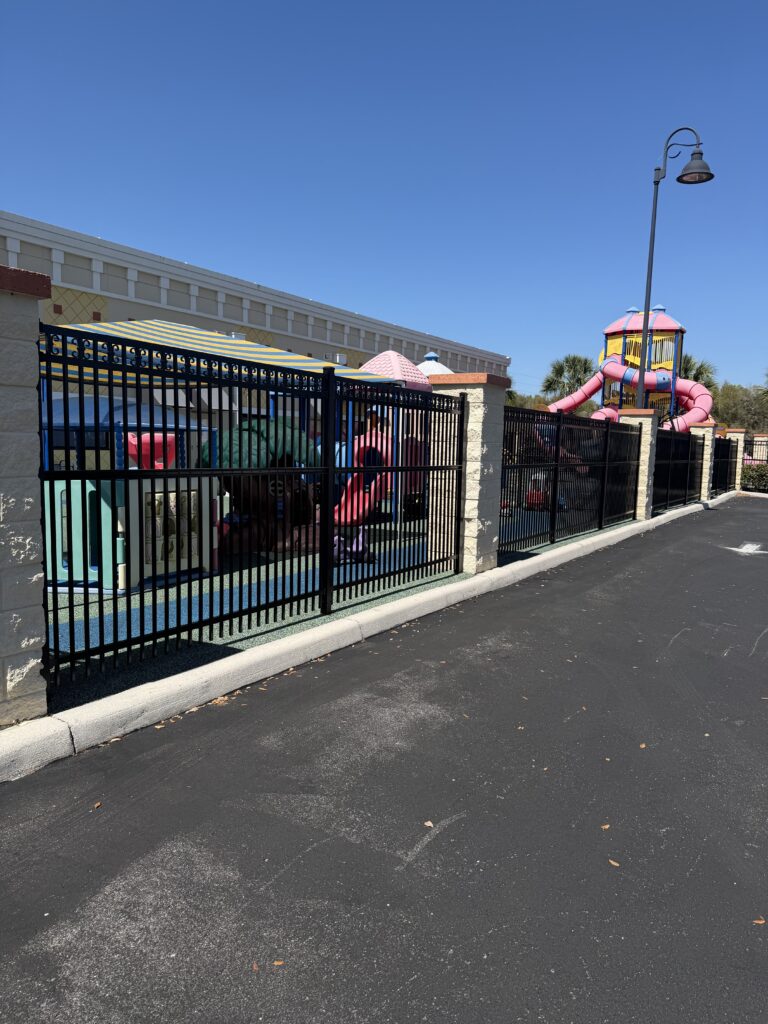
A Backyard Fence Childproofing Gate Upgrade
Gate upgrades deliver some of the biggest childproofing wins per dollar spent. Modern self-closing gate hinges use tension springs to pull the gate shut every time. Magnetic latches mount above child reach and click into place automatically. Combined, these two upgrades remove human error from the safety equation. Even if a parent forgets to close the gate, the hardware handles it. This single change prevents the most common backyard escape scenarios. Quality gate hardware costs little compared to the protection it provides.
Adding a secondary lock to the main gate adds another safety layer. A keyed lock or combination padlock keeps unauthorized hands from opening the gate. This matters for families with pools, large dogs, or kids who like to explore. The secondary lock also slows down anyone trying to enter the yard from the outside. Choose stainless steel or marine-grade brass hardware for Florida coastal humidity. Keep keys hidden but accessible to adults who need them. Test the lock weekly to confirm it still operates smoothly.
Gate sensors and alarms bring smart technology into the childproofing mix. Battery-powered sensors mount to the gate frame and trigger an alert when the gate opens. Wifi-enabled models send notifications straight to your phone, day or night. This works perfectly for the after-school hours when kids play outside while parents handle homework or dinner. Pool gate alarms are required by Florida code in many situations, and the same technology works for any gate. Pair the alarm with a self-closing latch for maximum protection. The combined system creates a backyard that watches itself.
A Backyard Fence Childproofing Privacy Upgrade
Privacy upgrades and childproofing go hand in hand more often than people realize. A see-through fence invites curiosity from kids and outsiders alike. Adding privacy slats to chain link or replacing the fence entirely changes the dynamic. Kids stop watching the street, and the street stops watching your yard. Privacy fences also block sightlines to neighboring pools, busy roads, or commercial properties. The calmer backyard environment supports better play and supervision. Many Winter Garden families upgrade for privacy and discover the safety bonus afterward.
Solid wood shadowbox panels create privacy without trapping wind, which matters during Florida storm season. The alternating board pattern blocks views from both sides while letting air pass through. This design holds up better than solid panels during high winds, reducing storm damage repair needs. The look fits most Central Florida neighborhoods without standing out. Cedar, cypress, and pressure-treated pine all work well for shadowbox builds. Quality construction and proper sealing extend the lifespan significantly. Your fence contractor can match panel styles to your home’s existing aesthetic.
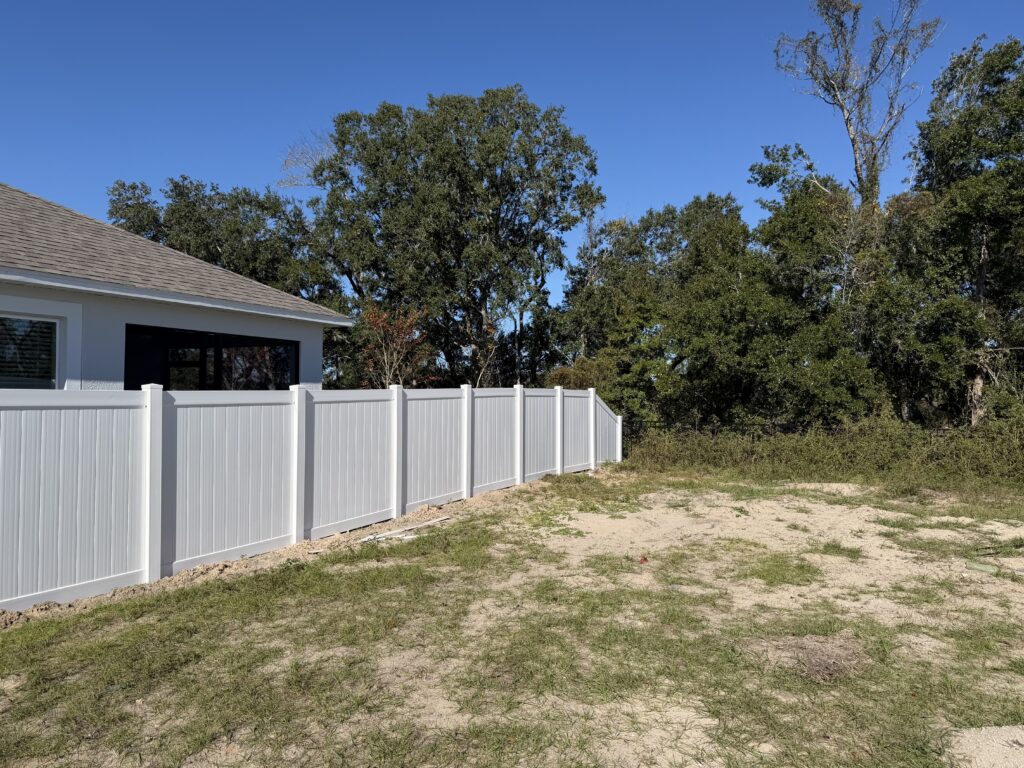
Vinyl privacy fences offer a low-maintenance childproofing solution that handles Florida weather. The panels resist water damage, insect attacks, and UV breakdown for decades. Solid panels with tongue-and-groove construction eliminate gaps entirely. Maintenance comes down to occasional rinsing with a garden hose. Vinyl fences cost more upfront than wood, but the long-term savings make them worthwhile. Color options have expanded significantly, with woodgrain textures available for a natural look. Many families view a vinyl privacy fence as a one-time investment that protects their kids for the next 20 to 30 years.
Why You Need a Professional Backyard Fence Childproofing Service Before School Starts
DIY fence repairs work for minor issues, but childproofing deserves professional attention. Small mistakes in fence work create big safety gaps that put kids at risk. A professional inspection catches problems homeowners often miss. Quality repairs and upgrades hold up to Florida weather, daily use, and active kids. Fence Pros brings the experience and tools needed to secure your backyard properly. Investing in professional service before school starts protects your family year-round.
Professional Backyard Fence Childproofing Brings Local Expertise
Florida fences face challenges that fence pros in other states never deal with. Sandy soil shifts under posts, requiring deeper footings and stronger anchoring. Sudden afternoon storms test gate hardware and panel connections repeatedly. Salt air from nearby coasts speeds up metal corrosion, even miles inland. Local fence professionals understand these conditions and build with the right materials from the start. This regional knowledge prevents callbacks and extends fence lifespan significantly.
Code compliance matters more than many homeowners expect. Pool fence regulations, property line setbacks, and HOA rules all affect what you can build. A professional fence contractor knows local codes inside and out, saving you from fines and forced rebuilds. Permitting requirements vary across Central Florida cities, and pulling the right permits keeps the project legal. Professionals handle the paperwork while you focus on your family. Compliance also protects your home’s resale value down the road.
Material selection benefits from professional input as well. Not every fence material works in every Florida yard. Drainage patterns, sun exposure, and nearby trees all affect which option lasts longest. A fence pro walks your property and recommends materials that match your specific conditions. This advice prevents wasted money on the wrong product. Quality recommendations protect both your investment and your kids.
Professional Backyard Fence Childproofing Saves Time and Money
Time spent on DIY fence work pulls parents away from the back-to-school rush. Supply runs, tool rentals, and unexpected complications stretch projects from a weekend into weeks. A professional crew finishes the same work in a fraction of the time. Your family stays on schedule, and the fence gets done right. The time savings alone often justify the cost of professional service.
Hidden costs add up fast on DIY projects gone wrong. Wrong materials, incorrect hardware, and rework charges drain the budget quickly. Professional fence companies buy materials at contractor pricing and pass savings on through bulk efficiency. Mistakes get caught and corrected before they become bigger problems. The final cost often lands close to a careful DIY budget, without the headaches.
Long-term value comes from work that holds up over years of use. Professional installation uses proper post depth, correct concrete cure times, and matched hardware throughout. These details determine how long the fence stands strong. Cheap repairs and rushed work fail within a couple of Florida storm seasons. Quality work protects your kids for the long haul. Ready for help with your fence? Click here for our fence replacement service to get started.
Why Choose Fence Pros for Backyard Fence Childproofing Before School Starts
Fence Pros serves Winter Garden and surrounding Central Florida communities with dedicated fencing service. Brad Jackson and the team have spent years building backyards that keep families safe. The crew arrives on time, communicates clearly, and treats every yard like their own. Free estimates make it easy to plan your project without commitment. Service trucks reach Altamonte Springs, Kissimmee, Clermont, Ocoee, and beyond within an hour.
Quality materials built for Florida weather form the foundation of every project. The team works with vinyl, wood, aluminum, and chain link products selected for local conditions. Both residential and commercial fencing services keep schedules tight and results consistent. Every install includes the small details that make a fence last, from proper post setting to corrosion-resistant hardware. Clean job sites and respectful work crews keep families comfortable throughout the project.
Five-star service is the standard, not the exception. Customer satisfaction drives every decision, from material selection to final walkthrough. The Fence Pros team takes pride in clean work, strong builds, and long-term results. Reviews from neighbors across the area reflect this commitment. Get your backyard ready for the school year with a fence built to keep your family safe.