
How To Choose A Pool Fence That Meets Florida Safety Codes
Choosing a pool fence in Florida is one of the most important safety decisions a homeowner can make. Florida law requires specific barrier standards around residential pools to protect children, pets, and visitors from accidental drowning. The Residential Swimming Pool Safety Act sets clear rules for fence height, gate function, and spacing between pickets. Picking the right pool fence means balancing code compliance with style, durability, and Florida weather resistance. Materials must hold up against humidity, salt air, and intense sun without warping or rusting. A properly installed pool fence also adds value to your property and provides peace of mind every day. This guide walks through everything Florida homeowners need to know before installing a pool fence around their backyard.
Florida Pool Fence Safety Code Requirements Every Homeowner Should Know
Florida has some of the strictest pool barrier laws in the country, and for good reason. Drowning is a leading cause of accidental death for young children in the state. The code requires that every residential pool have a barrier at least 48 inches high, measured from the outside. Gaps in pickets cannot exceed 4 inches, and the bottom of the fence must sit no more than 2 inches above the ground. Gates must open outward, away from the pool, and include self-closing and self-latching hardware. Understanding these rules before choosing materials saves homeowners from costly tear-downs and code violations later.
Understanding Pool Fence Height And Spacing Florida Safety Codes
Pool fence height is the first thing a county inspector will check during a final walk-through. Florida requires a minimum height of 48 inches, though many homeowners choose 54 or 60 inches for added security. The measurement is taken from the ground on the outside of the fence, not the pool deck side. Slope and grading on your property can affect compliance, so a level survey before installation is smart. Decorative top caps and post finials do not count toward the required height.
Spacing rules are just as strict as height rules under Florida safety codes. Vertical pickets must sit no more than 4 inches apart at any point along the fence line. Horizontal rails should be spaced at least 45 inches apart to prevent climbing, or the fence must be designed to block footholds entirely. Chain link fences with mesh openings larger than 1.75 inches do not meet pool barrier code without slats added. Ornamental aluminum and vinyl picket styles are popular because they meet spacing rules easily.
Ground clearance is another detail that catches homeowners by surprise. The bottom of the fence cannot have a gap larger than 2 inches above grade. Sandy or sloped Florida yards often need extra concrete footing or a mow strip to close gaps. Tree roots, irrigation lines, and drainage paths can all affect how a fence sits at ground level. Working with an installer who understands local soil conditions prevents code failures down the road. Need help meeting Florida pool fence code? Click here for our fence installation service.
Florida Safety Code Gate Hardware Rules For Pool Fences
Gates are the most common failure point during a pool fence inspection. Florida code requires every gate to be self-closing, meaning it shuts on its own without anyone pushing it. The gate also has to be self-latching, with a latch mounted at least 54 inches above the ground. This high latch placement keeps small children from reaching it from either side. Hinges should be heavy-duty and rust-resistant, which matters a lot in humid Florida air.
Gate direction is non-negotiable under Florida pool safety codes. All pool gates must swing outward, away from the pool area, so a child cannot push their way in. The latch mechanism should engage automatically when the gate closes, with no manual adjustment needed. Magnetic latches and key-lockable models are both code-compliant and popular with homeowners. Spring-loaded hinges should be tested monthly to confirm the gate still closes fully on its own.
Hardware quality matters more than most people realize on a coastal Florida property. Salt air corrodes cheap metal latches within a year or two, leaving the gate stuck open or jammed shut. Stainless steel and powder-coated aluminum hardware lasts much longer in humid coastal climates. Self-closing hinges should be adjustable so tension can be increased as the gate ages. Regular maintenance keeps the gate functioning the way the code intended for years to come.
Florida Safety Code Pool Fence Inspection And Permit Process
Most Florida counties require a permit before installing a pool fence around a new or existing pool. The permit process includes a site plan, fence elevation drawings, and proof of self-closing gate hardware. Inspectors check height, spacing, latch placement, and ground clearance during the final walk-through. Skipping the permit step can result in fines and a forced tear-down after the fact. Working with a licensed fence contractor makes the permit process much smoother.
Inspection timing depends on whether the pool is new construction or a retrofit on an existing home. New pools cannot be filled with water until the barrier passes inspection in most counties. Retrofit projects on older pools also require permits if the existing barrier does not meet current code. Homeowners selling a property with a pool may be required to bring the fence up to code before closing. A pre-listing fence inspection helps avoid surprises during the real estate transaction.
Documentation matters long after the inspector signs off on the project. Keep copies of the permit, inspection report, and any product specifications for the fence and gate hardware. Homeowners insurance carriers often ask for proof of code-compliant pool barriers before issuing or renewing policies. If you ever rent the home out, short-term rental platforms may also require this paperwork. Good records protect you legally and financially for the life of the pool.
Best Pool Fence Materials For Florida Weather And Safety Codes
Florida weather is rough on outdoor materials, and pool fences sit in some of the harshest conditions on a property. Sun exposure, humidity, salt air, and heavy summer rains all break down inferior materials fast. The best pool fence materials combine code compliance with long-term durability in this climate. Aluminum, vinyl, and mesh are the three most popular choices for Florida pool barriers. Each has different strengths when it comes to cost, appearance, and lifespan. Picking the right material the first time saves thousands of dollars over the next decade.
Aluminum Pool Fence Options That Meet Florida Safety Codes
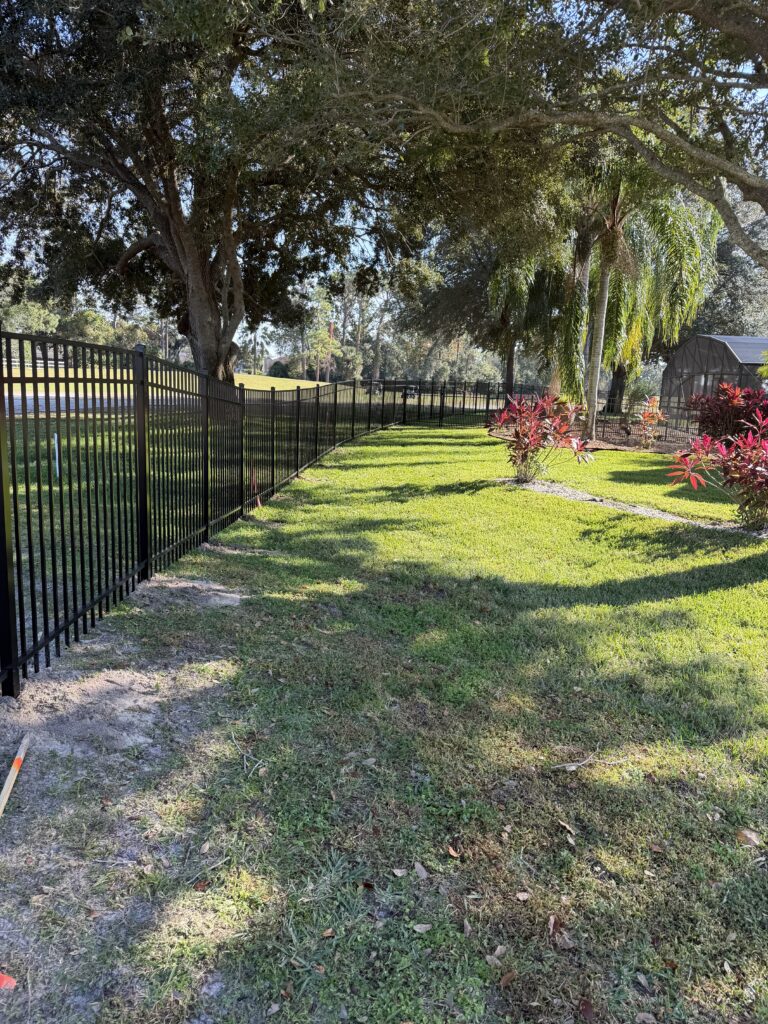
Aluminum is the most popular pool fence material in Florida for good reasons. It will not rust, even in coastal areas with constant salt air exposure. The powder-coated finish resists fading from intense Florida sun for 15 to 20 years on average. Aluminum picket fences come in heights and spacing options that meet Florida pool safety codes right out of the catalog. The look mimics wrought iron without the maintenance headaches that come with real iron.
Strength is another reason aluminum dominates the Florida pool fence market. Modern aluminum alloys are engineered to resist bending and impact from storm debris. Hurricane-rated aluminum fence systems use reinforced posts and rails designed for high wind loads. The pickets stay straight and tight for decades, even in yards with active kids and pets. Repairs are simple because individual sections can be swapped without rebuilding the whole fence.
Cost-wise, aluminum sits in the middle of the price range for pool fence materials. It costs more than chain link but less than ornamental steel or premium vinyl. The long lifespan and low maintenance often make aluminum the cheapest option over 20 years. Many homeowners recoup the investment through higher home resale value alone. Want to see aluminum pool fence options for your Florida home? Click here for our fence installation service.
Vinyl Pool Fence Choices That Meet Florida Safety Codes
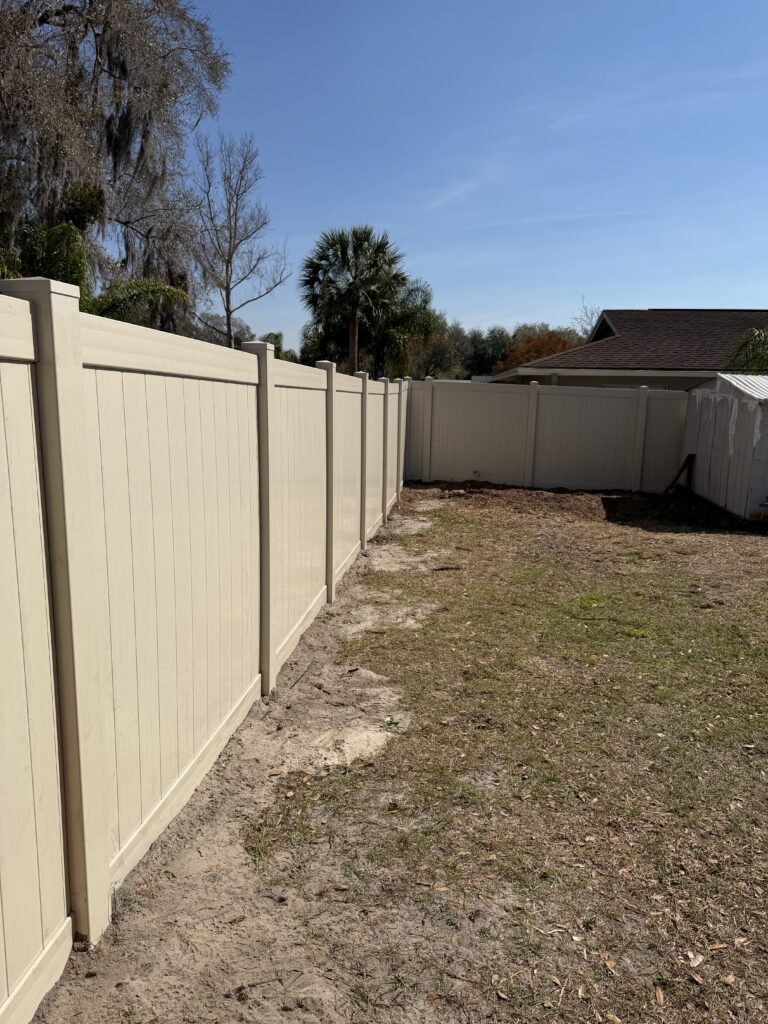
Vinyl pool fences offer a clean, modern look that many Florida homeowners love. The material will not rot, splinter, or attract termites the way wood does. Quality vinyl is UV-stabilized to resist yellowing and chalking under the Florida sun. Privacy panel styles work well for pool areas where homeowners want to block views from neighbors. Picket-style vinyl can also be configured to meet 4 inch spacing rules for pool barriers.
Maintenance is one of the biggest selling points for vinyl pool fencing. A simple rinse with a garden hose removes pollen, dirt, and salt residue from the surface. There is no painting, staining, or sealing required at any point in the fence’s life. Mildew can build up in shaded sections, but it cleans off easily with mild soap and water. The color is built into the material, so scratches and scuffs do not show the way they would on painted surfaces.
Heat is the one factor Florida homeowners should consider with vinyl pool fences. Dark colors absorb more sun and can warp slightly in extreme heat over time. White and light tan vinyl colors hold up best in full-sun yards across central Florida. High-grade vinyl with thicker walls handles heat better than budget products. Choosing the right vinyl product from the start makes a big difference in how the fence ages.
Mesh And Removable Pool Fence Options For Florida Safety Codes
Mesh pool fences are a popular choice for families with very young children. The fence is made of strong polyester mesh stretched between aluminum posts set into the pool deck. Most mesh systems are removable, which is great for entertaining or seasonal use. The mesh openings are small enough to meet Florida 4 inch spacing rules easily. Heights of 48 to 60 inches are standard and code-compliant for residential pools.
Visibility is the main advantage mesh fences offer over solid materials. Parents can see through the fence to monitor children swimming or playing inside the pool area. The fence does not block views of the pool from inside the house, which adds another layer of safety. Mesh systems also blend into the landscape without dominating the backyard look. Many homeowners use mesh as a secondary barrier alongside a permanent perimeter fence.
Durability varies widely between mesh fence brands, so research matters before buying. Top-quality systems use marine-grade mesh that resists UV damage and mildew for 10 to 15 years. Cheap mesh fences sag, fade, and tear within just a few years in Florida weather. Self-closing gates are available for mesh systems and must meet the same hardware rules as permanent fences. Professional installation prevents loose posts and uneven sections that compromise safety.
Why You Need A Professional Pool Fence Installation In Florida
Installing a pool fence is not a typical weekend DIY project, especially in Florida. Code compliance, permit applications, and inspection scheduling all require experience to handle correctly. A licensed fence contractor knows the local rules and avoids the common mistakes homeowners make. Professional installation also comes with warranties on both materials and labor for added protection. The cost of doing it right the first time is far less than fixing a failed inspection later.
How A Professional Pool Fence Installation Meets Florida Safety Codes
A professional installer starts every project with a site visit and code review. They measure the pool area, check property lines, and identify any obstacles like trees or utility lines. The site plan submitted to the county shows exactly how the fence will meet height, spacing, and gate rules. This planning step prevents costly changes once installation begins on the ground. Homeowners save time and stress by letting a pro handle the permit paperwork.
During installation, professionals use the right tools and techniques for Florida soil conditions. Sandy soil requires deeper post holes and more concrete than firmer ground types found in other states. Pros set posts plumb and at consistent heights, which matters for both safety and appearance. Self-closing hinges and self-latching hardware are installed to the exact specs the code requires. Every gate is tested before the crew leaves the property.
After installation, a professional crew handles the final inspection coordination with the county. They meet the inspector on site to walk through the project and answer any questions. If a small adjustment is needed, the crew fixes it on the spot rather than scheduling a return trip. Once the fence passes, the homeowner gets the signed paperwork for their records. Need professional pool fence installation in Florida? Click here for our fence installation service.
Common Pool Fence Mistakes That Fail Florida Safety Codes
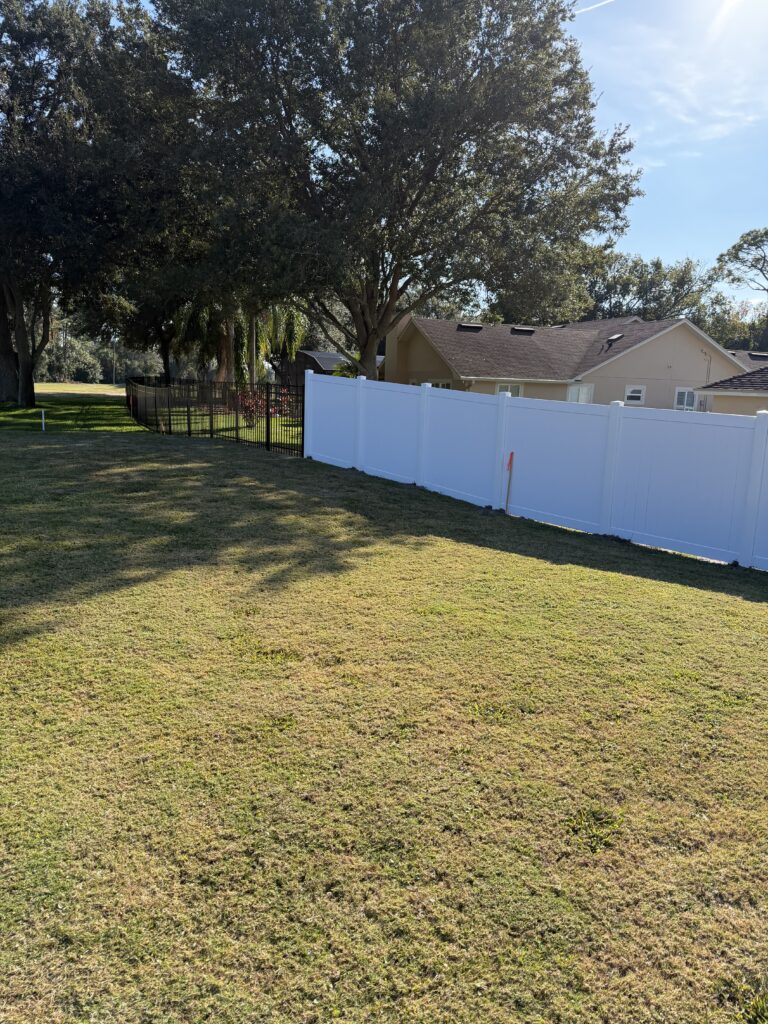
Height errors are the most common reason pool fences fail Florida inspections. Homeowners measure from the pool deck instead of the outside grade, ending up 2 or 3 inches short. Sloped yards also create height problems if the fence is not stepped or graded properly. A few inches under code means the entire fence section has to be raised or replaced. Professional installers catch these issues during the planning stage.
Gate problems are the second most common code failure on Florida pool fences. Gates that swing inward, latches mounted too low, and missing self-closing hinges all fail inspection. DIY installers often pick hardware from a big box store that does not meet the 54 inch latch height rule. Magnetic latches can also stop working if installed incorrectly or exposed to too much salt air. Pros use commercial-grade hardware rated for pool barrier use.
Spacing mistakes happen most often around corners, gates, and odd-shaped pool decks. A gap wider than 4 inches anywhere along the fence line fails the inspection. Some homeowners forget that decorative elements like planters or benches near the fence can create climbable footholds. Professional installers plan around these obstacles to keep the barrier compliant. Catching these details before construction starts saves serious money and frustration.
Why Choose Fence Pros For Your Florida Pool Fence Installation
Fence Pros is based in Winter Garden and serves homeowners across central Florida with code-compliant pool fence installations. Owner Brad Jackson runs every job with a focus on clean work, strong builds, and long-term results. The team knows Florida pool safety codes inside and out, from permit applications to final inspections. Free estimates are available for all residential and commercial pool fence projects in the service area. Customers get a clear scope and price up front, with no surprises during the build.
Service areas include Winter Garden, Windermere, Horizon West, Clermont, Kissimmee, Ocoee, Apopka, and many more central Florida communities. Most homes within an hour of Winter Garden can be reached the same day for an estimate. Fence Pros uses high-quality materials built specifically for Florida weather, including aluminum, vinyl, and mesh systems. Every install comes with warranties on both materials and workmanship for full peace of mind. The crew shows up on time, cleans up the site, and treats every yard with respect.
Reviews from past customers reflect the company’s 5 star service commitment across every project. Fence Pros takes pride in honest pricing, skilled craftsmanship, and clear communication from start to finish. Pool fence installation is a serious investment in safety, so picking the right contractor matters. Want a free estimate on your Florida pool fence project? Click here for our fence installation service.