
How To Get Your Fence Photo Ready Before Holiday Guests Arrive
Holiday guests notice more than the food and the decorations; they notice the whole property, and your fence frames every photo taken in your yard. A dirty, sagging, or damaged fence shows up in the background of family pictures and stays there forever. Florida weather beats on fences all year with heavy rain, intense sun, and constant humidity, so most fences need attention before company arrives. The good news is that getting a fence photo ready is a straightforward process when you break it into steps. Cleaning comes first, repairs come second, and professional help fills in the gaps when the damage is beyond a weekend project. Homeowners in Winter Garden, Clermont, Kissimmee, and the surrounding areas have plenty of time to get this done before the holidays if they start now. This guide walks through exactly what to clean, what to repair, and when to call in the pros. Follow it and your fence will look sharp in every holiday photo this season.
How to Clean Your Fence Before Holiday Guests Arrive
Cleaning is the fastest way to transform a fence before holiday guests arrive, and it costs very little compared to repairs or replacement. Florida fences collect green algae, black mildew, dirt splash from rain, and pollen buildup that dulls the color of wood, vinyl, and aluminum alike. A thorough cleaning can make a ten year old fence look nearly new in a single afternoon. The right method depends on your fence material, because wood, vinyl, and metal each respond differently to water pressure and cleaning solutions. Start with cleaning before you assess repairs; grime often hides damage, and it sometimes hides the fact that no damage exists at all. Below are the three cleaning tasks that deliver the biggest visual improvement before your guests show up.
Pressure Washing Your Fence Before Holiday Guests Arrive
Pressure washing is the single most effective way to clean a fence before holiday guests arrive, but the settings matter more than most homeowners realize. Vinyl fencing handles pressure well and can be washed at 1,500 to 2,500 PSI with a wide fan tip held about a foot from the surface. Wood fencing is softer and needs a gentler approach, usually 500 to 1,200 PSI, because high pressure gouges the grain and leaves permanent etching marks. Aluminum and chain link fences tolerate moderate pressure but should be rinsed carefully around hardware and welds. Always test a small hidden section first so you can confirm the pressure will not damage the finish. Work in long, even strokes from top to bottom to avoid streaking. Keep the wand moving at all times, since holding it in one spot for even a few seconds can carve a visible line into wood.
Timing your pressure washing session correctly makes a big difference in the final result. Wash on a dry day with at least 24 to 48 hours of dry weather ahead, especially for wood fences that need to dry fully. Morning is the best time in Florida because afternoon storms roll in quickly during much of the year. If you plan to stain or seal a wood fence afterward, allow two to three full days of drying time before applying any product. Wet wood will not absorb stain evenly, and trapped moisture under sealant leads to peeling and cloudiness. Vinyl and aluminum dry within hours and can be photographed the same day. Plan the wash at least a week before guests arrive so you have a buffer for weather delays.
Safety and technique protect both you and the fence during the job. Wear eye protection, because pressure washers kick back debris, paint chips, and grit at high speed. Never point the wand at pets, people, windows, or electrical fixtures mounted near the fence line. Cover nearby plants or rinse them with plain water afterward if you use any cleaning solution in the machine. Check that panels are secure before washing; a loose picket can be blown clean off by a direct hit. If sections wobble under light hand pressure, skip the washer there and note it for repair. A fence that is structurally sound cleans up beautifully, while a weak fence needs repair first. Need help with a fence that is too far gone to clean? Click here for our fence repair service.
Removing Mold and Mildew From Your Fence Before Holiday Guests Arrive
Mold and mildew removal is essential before holiday guests arrive because Florida humidity makes fungal growth the most common fence stain in the region. Green algae shows up first, usually on the shaded north side of the fence and along the bottom rails where sprinklers hit. Black mildew follows and digs deeper into porous surfaces, especially untreated wood. These organisms do more than look bad; they hold moisture against the fence and accelerate rot in wood and staining in vinyl. A pressure washer alone often pushes spores around without killing them, so a cleaning solution is necessary for lasting results. Mix one part white vinegar with two parts water for a gentle option, or use an oxygenated bleach cleaner for heavier growth. Apply the solution, let it sit for ten to fifteen minutes, then scrub with a soft bristle brush and rinse thoroughly.
Different fence materials need different mold treatments, and using the wrong one causes damage. Vinyl fencing tolerates diluted bleach solutions well, and a mix of one third cup of bleach per gallon of water removes most black spotting. Wood fencing does better with oxygen bleach products, since chlorine bleach can strip the natural color and weaken wood fibers over time. Aluminum fencing rarely grows mold on the metal itself, but grime collects in corners and around post caps where a simple soap and water scrub works fine. Chain link with privacy slats traps organic debris that feeds mildew, so pull debris out of the slats before treating. Always rinse from the top down so dirty runoff does not restain areas you already cleaned. Repeat treatment on stubborn spots rather than scrubbing aggressively in one pass.
Preventing regrowth keeps your fence photo ready through the entire holiday season and beyond. Trim back shrubs and tree branches that shade the fence, because sunlight is the best natural mildew deterrent. Adjust sprinkler heads so they do not spray the fence directly every morning. For wood fences, apply a water repellent sealer with a mildewcide additive after cleaning; this creates a barrier that slows regrowth for one to three years. Vinyl owners can apply an automotive style protectant to make the surface slick and harder for spores to grip. Keep the bottom of the fence clear of leaf piles and mulch buildup, since decaying organic matter feeds fungal growth. A few minutes of prevention each month saves hours of scrubbing next year.
Clearing Landscaping Around Your Fence Before Holiday Guests Arrive
Clearing the landscaping around your fence before holiday guests arrive is the finishing touch that makes the whole yard look intentional. Overgrown grass at the fence line, vines climbing through pickets, and shrubs pressing against panels all read as neglect in photos. Start by string trimming a clean edge along the entire fence line on both sides if you have access. Pull vines out by the root rather than cutting them at the surface, because cut vines regrow within weeks in Florida’s climate. Rake out leaves, palm fronds, and debris that collect against the bottom rail. This debris traps moisture against the fence and invites termites and rot, so removing it protects the fence while improving the view. A clean fence line makes even an older fence look well maintained.
Trimming trees and shrubs near the fence prevents both visual clutter and physical damage. Branches that rub against a fence in the wind wear away paint, stain, and vinyl finish over time. Heavy limbs hanging over the fence are a genuine hazard during holiday season storms and should be cut back to a safe distance. Shrubs planted too close to the fence hold humidity against the material and block airflow, which speeds up mildew growth you just worked hard to remove. Aim for at least a foot of clearance between plantings and the fence face. This gap also gives you room to clean and inspect the fence in the future. Your holiday photos will show a crisp line between greenery and fence instead of a tangled mess.
Small decorative touches along a cleared fence line elevate the whole holiday setting. Fresh mulch in beds along the fence creates contrast that makes the fence color pop in pictures. Solar path lights or string lights along the top rail add warmth to evening gatherings and nighttime photos. Potted plants placed at gate entries draw the eye and frame the walkway for arriving guests. Make sure any decorations attach without screws or nails that create permanent holes, especially in vinyl. Zip ties, adhesive clips rated for outdoor use, and over the rail hangers all work without damage. If clearing the landscaping reveals damage you did not know existed, address it before decorating. A string of lights cannot hide a leaning post, but a repair crew can fix one quickly.
Fence Repairs That Make Your Fence Photo Ready
Repairs are the second phase of getting a fence photo ready, and they matter because cameras capture flaws the eye skims past in daily life. A leaning post, a missing picket, or a sagging gate becomes the focal point of every photo taken near it. Florida’s sandy soil, heavy summer rains, and hurricane season winds create predictable damage patterns that show up by late in the year. Most cosmetic repairs take a weekend, while structural problems like rotted posts need professional attention. Walk the full fence line after cleaning and make a list of everything that moves, sags, cracks, or sits crooked. Prioritize structural fixes first, cosmetic fixes second, and finishing touches last. The three repairs below fix the problems guests and cameras notice most.
Fixing Leaning Posts to Make Your Fence Photo Ready
Fixing leaning posts is the most important repair for making a fence photo ready, because a lean of even a few degrees is visible from across the yard. Posts lean for a handful of reasons in Central Florida: sandy soil erodes around the footing, water pools at the base and softens the ground, rot eats the post below grade, or a storm pushed the whole section. Diagnose the cause before choosing a fix, since the repair method depends on it. Grab the post and rock it gently; movement at the ground line with a solid post usually means a footing problem. A post that feels spongy or crumbles at the soil line has rot and needs full replacement. Concrete footings that cracked or heaved need to be broken out and repoured. Getting the diagnosis right saves you from repeating the repair in six months.
For a structurally sound post with a failed footing, resetting is a manageable project. Dig around the existing footing, straighten the post with a level held on two adjacent faces, and brace it with stakes and scrap lumber. Pour fast setting concrete into the excavation and slope the top of the pour away from the post so water runs off instead of pooling. Fast setting mixes cure enough to remove braces in a few hours, but leave the fence panels unloaded for a full day. In sandy Florida soil, a footing depth of at least two feet and a diameter of ten to twelve inches gives the post real holding power. Skimping on footing size is the main reason reset posts lean again. Do the job once, do it right, and it holds for years.
Rotted posts and multiple leaning sections are signals that professional repair or replacement is the smarter path. Replacing a single rotted post means detaching two panels, extracting the old footing, setting a new post, and reattaching everything in alignment; it is heavier work than most homeowners expect. When three or more posts lean along the same run, the whole line usually shares a common failure, and patching one post at a time becomes a losing battle. A professional crew can evaluate the entire fence, reset what is salvageable, and replace what is not in a single visit. That efficiency matters when a holiday deadline is approaching. Wondering if your fence is past the point of repair? Click here for our fence replacement service to learn what full replacement involves.
Replacing Broken Pickets to Make Your Fence Photo Ready
Replacing broken pickets is the fastest visible upgrade for making a fence photo ready, since gaps and cracked boards jump out in every photo. Wood pickets crack from sun exposure, split at nail points, and snap when hit by mowers or falling branches. Vinyl pickets and panels crack from impact and can become brittle after years of UV exposure. Walk both sides of the fence and mark every damaged picket with painter’s tape so nothing gets missed. Count the total and buy a few extras, because new pickets sometimes split during installation. Match the picket profile carefully; dog ear, flat top, and gothic styles look obviously wrong when mixed. Bring an old picket to the supplier if you are unsure of the exact dimensions.
Installation technique determines how seamless the repair looks in photos. Remove the damaged picket by backing out screws or prying nails carefully so you do not damage the rails behind it. Set the new picket at the same height as its neighbors and check the gap spacing on both sides before fastening. Use exterior grade screws or ring shank nails that resist pulling out in Florida humidity. Drive fasteners into the same rail locations as the original picket for a consistent pattern. On vinyl fences, replacement usually means sliding a new picket into the rail channel after removing a rail cap, which requires no fasteners at all. Take your time on alignment, because a crooked replacement picket draws the eye just as much as a broken one did.
New wood pickets stand out bright against weathered gray neighbors, so blending is the final step. The best fix is staining or sealing the entire fence after repairs, which unifies the color and adds years of protection at the same time. If a full stain job is not in the budget before the holidays, apply a weathering accelerant or a matched semi transparent stain to just the new boards. Photograph the fence from your main gathering areas and check how the repairs read on camera. Vinyl replacements blend immediately as long as the color matches, though older vinyl sometimes yellows slightly and makes bright white replacements noticeable. If large runs of pickets are damaged, replacing full panels or sections is often cheaper per board and looks cleaner. When damage covers most of the fence, a new installation may cost less than piecemeal fixes over the next few years.
Repairing Gates and Hardware to Make Your Fence Photo Ready
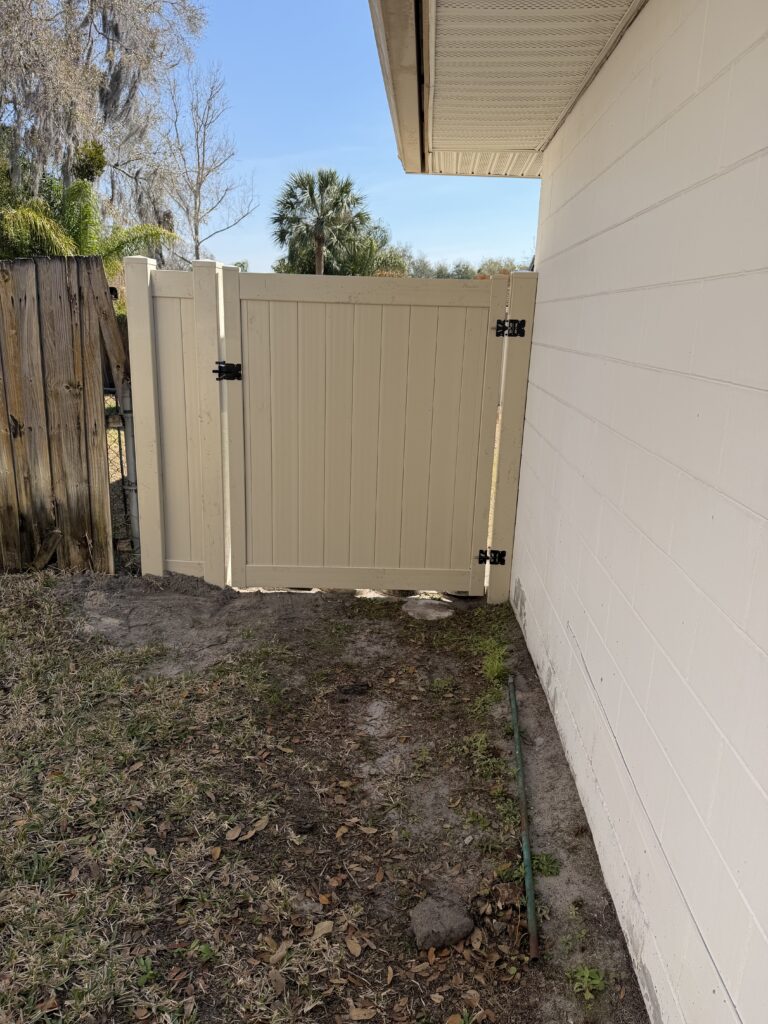
Repairing gates and hardware is a critical part of making a fence photo ready, because the gate is the one part of the fence every guest touches. A gate that drags, sticks, or hangs crooked creates a bad first impression before anyone reaches the front door. Gates fail more often than fence panels because they carry moving weight on just two hinge points. Sagging is the most common problem, and it happens when hinge screws loosen, the gate frame racks out of square, or the hinge post itself starts to lean. Open and close the gate several times and watch where it rubs or drops. Check the latch alignment too, since a latch that requires lifting or slamming frustrates guests all season. Most gate problems have inexpensive fixes when caught early.
Start gate repair with the simplest fixes and work up from there. Tighten every hinge screw first; loose screws cause most sag and take five minutes to fix. If screw holes have stripped out in wood, replace the screws with longer ones or fill the holes with glued dowels and re drive. For a racked gate frame, install an anti sag kit, which is a diagonal cable and turnbuckle that pulls the low corner back up. Turn the turnbuckle gradually and test the swing until the gate clears the ground and meets the latch cleanly. Replace rusted hinges and latches with stainless or coated hardware built for Florida’s humid, salty air. New black hardware against a clean gate looks sharp in photos and works smoothly for guests.
A gate hinge post that leans needs the same footing treatment as any leaning post, but it matters more because the post carries the gate’s full swinging load. Reset it in a generous concrete footing and let it cure fully before rehanging the gate. While the hardware is off, this is the perfect time to sand, stain, or paint the gate itself, since it is the most photographed section of fence on the property. Consider upgrading to self closing hinges if children or pets will be at your holiday gatherings; they add safety and convenience for a small cost. If the gate frame is rotted, twisted, or beyond squaring, a new custom gate is often the better investment. A smooth, level, quiet gate tells guests the whole property is cared for. That impression starts working the moment they arrive.
Why You Need Professional Fence Services Before the Holidays
Professional fence services before the holidays save time, prevent bigger problems, and guarantee results when the deadline is fixed and guests are already invited. DIY cleaning and minor repairs handle a lot, but structural issues, material matching, and full section replacement demand trade experience and proper equipment. Holiday schedules fill fast for reputable fence companies, so booking early protects your timeline. A professional assessment also catches hidden problems like below grade rot and termite damage that homeowners miss. The sections below explain when to call for repair, when replacement makes more sense, and why Fence Pros is the right call in the Winter Garden area.
The Benefits of Professional Fence Repair Before the Holidays
Professional fence repair before the holidays delivers speed that DIY work cannot match. A trained crew fixes in one day what takes a homeowner three weekends, and weekends are scarce during the holiday season. Professionals arrive with post pullers, augers, levels, and material stock already on the truck. They diagnose the root cause instead of patching symptoms, so the repair lasts through the season and beyond. That matters when storm season damage has weakened footings in ways that are not visible from the surface. Fast, correct repair means your fence is ready well before the first guest pulls into the driveway.
Quality and safety are the second major benefit of professional fence repair before the holidays. Repair crews match materials precisely, set posts to proper depth, and square gates so everything functions like new. They carry insurance that protects you if something goes wrong on your property. Digging post holes carries real risk in Florida, where buried utility lines and irrigation systems sit shallow in sandy soil; professionals call in locates and dig safely. Improper repairs can also fail during a holiday gathering, and a collapsing fence section with guests nearby is a genuine hazard. Professional work removes that risk entirely.
Cost efficiency rounds out the case for professional fence repair before the holidays. Homeowners often spend more on tools, wasted materials, and redone work than a professional repair would have cost upfront. A pro repairs only what needs repair and tells you honestly when a section is fine. Free estimates make the decision easy, since you learn the exact cost before committing to anything. Fence Pros offers free estimates on all fence projects across Winter Garden, Ocoee, Windermere, and the surrounding area. Getting a number on paper this week keeps your holiday budget under control.

When to Schedule Fence Replacement Before the Holidays
Fence replacement before the holidays makes sense when repair costs approach half the price of a new fence. That threshold arrives faster than most homeowners expect once multiple posts rot, panels warp, and hardware fails across the whole line. A fence past 15 to 20 years for wood, or one with widespread structural failure at any age, is usually a replacement candidate. Patching a failing fence before the holidays just delays the same decision to spring. A new fence, by contrast, becomes the backdrop for years of holiday photos to come. Replacement is an investment in every gathering after this one, not just the next few weeks.
Timing a fence replacement before the holidays requires realistic scheduling. A standard residential replacement takes one to three days of installation once materials arrive, but permits, HOA approvals, and material lead times add days or weeks to the front end. Booking in early or mid season leaves comfortable margin; waiting until the week before guests arrive does not. Florida’s dry fall and early winter weather is actually ideal for fence installation, with firm soil and few rain delays. Crews work faster in mild temperatures too. Call early, get the estimate, and lock in an installation date that beats your first party.
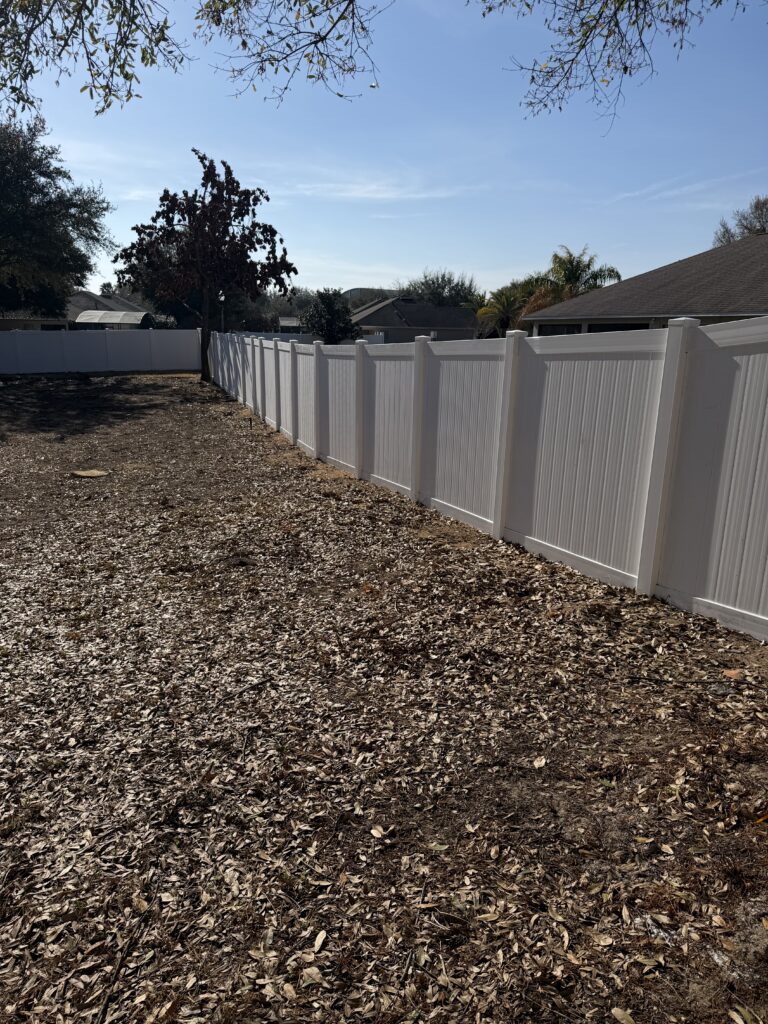
Choosing the right replacement material sets up decades of low maintenance holidays. Vinyl fencing shrugs off Florida humidity, never needs staining, and cleans up with a garden hose before every gathering. Pressure treated pine and cedar offer classic warmth at a lower upfront cost, with regular sealing as the tradeoff. Aluminum delivers an elegant look for pool areas and front yards, and it never rusts like steel. A professional installer helps you match material to your property, budget, and HOA rules. Ready for a fence that is photo ready every year without the scramble? Click here for our fence installation service.
Why Choose Fence Pros for Your Holiday Fence Services
Fence Pros is the trusted choice for holiday fence services because the company is local, responsive, and built on results. Based at 700 Tangelo Ct in Winter Garden, the team serves homeowners and businesses within an hour of the shop. That coverage includes Clermont, Kissimmee, Apopka, Davenport, Dr. Phillips, Horizon West, and more than a dozen other communities. Local crews mean fast estimates, quick scheduling, and no long distance travel fees. When a holiday deadline is on the calendar, a nearby team makes all the difference. Fence Pros treats your timeline as seriously as you do.
Quality workmanship separates Fence Pros from the crowd during the busy holiday season. The team is focused on clean work, strong builds, and long term results on every project, large or small. Every fence uses materials built specifically for Florida weather, so your investment stands up to sun, rain, and humidity year after year. Residential and commercial fence services are both available, covering everything from backyard privacy fences to business perimeter security. Installation, repair, and replacement are all handled by the same experienced crew. One call covers whatever your fence needs before guests arrive.
Service is the final reason homeowners across Central Florida choose Fence Pros for holiday fence services. The company is dedicated to providing consistent five star service on every job, from the first phone call to the final walkthrough. Free estimates on all fence projects mean you know your options and your costs with zero pressure. The crew shows up on time, communicates clearly, and leaves the property cleaner than they found it. Your fence can be cleaned up, repaired, or fully replaced before the first holiday photo is taken. Call Fence Pros today at (407) 580-8353 or email info@fenceprosorlando.com to schedule your free estimate.